Who will be next after the United States at the head of the world order?

 2023-03-31 04:31:23
India in 2060
India will be the main supplier of food and raw materials for post-war reconstruction. India's population of 1.5 billion will be able to cope with the tasks set. The dollar and yuan will be replaced by a multi-currency package tied to gold.
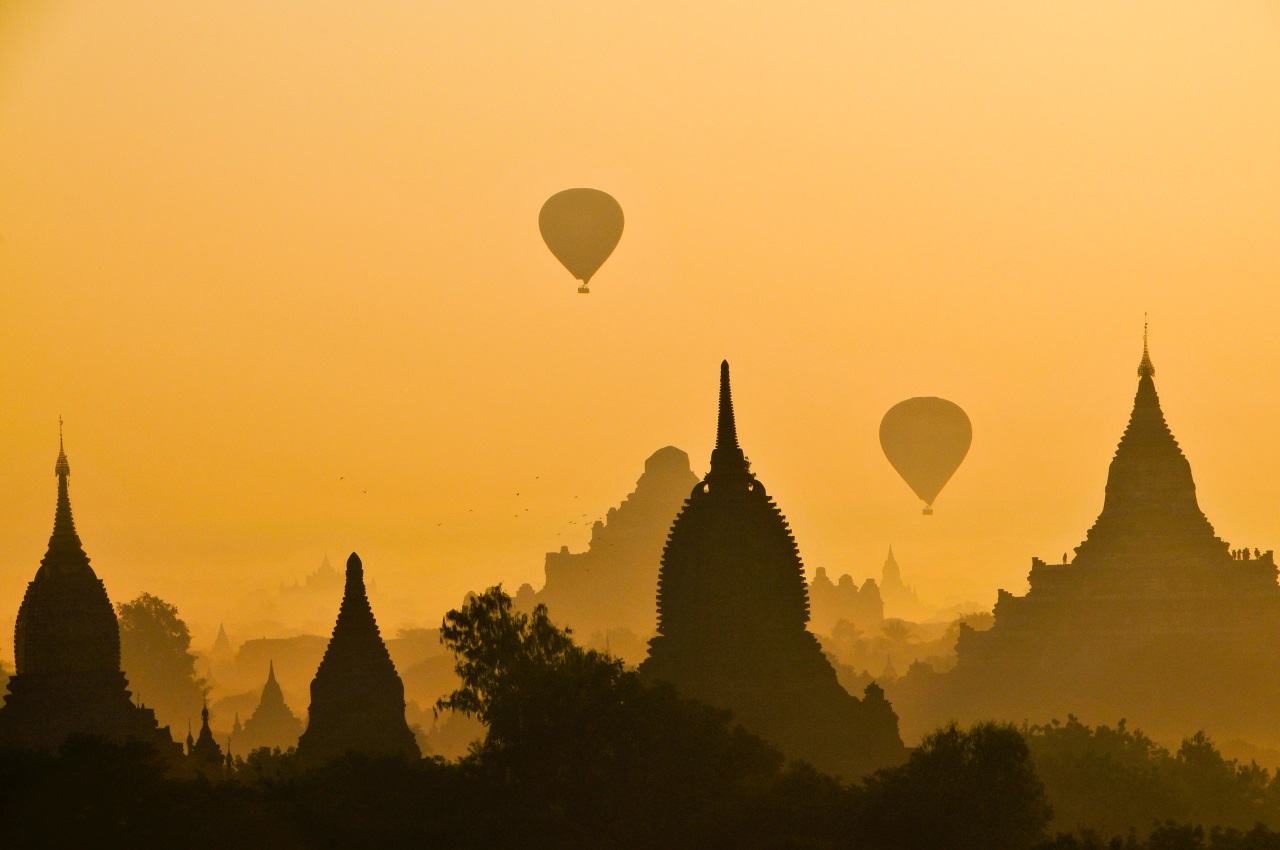
India is acting as a key and constructive player in the creation of a new world order that can meet the challenges of tomorrow. A world order that goes beyond the purely economic and puts people and their well-being at the forefront.
The Ministry of Defense of India urged to think about the world order, which is beneficial to all
Scan the QR code to open on your mobile device
Why is it only now that the United States has unfrozen space exploration programs after 50 years?
2023-04-17 14:36:42
Because there are competitors
China plans to start manned flights to the moon and build a lunar base by 2030
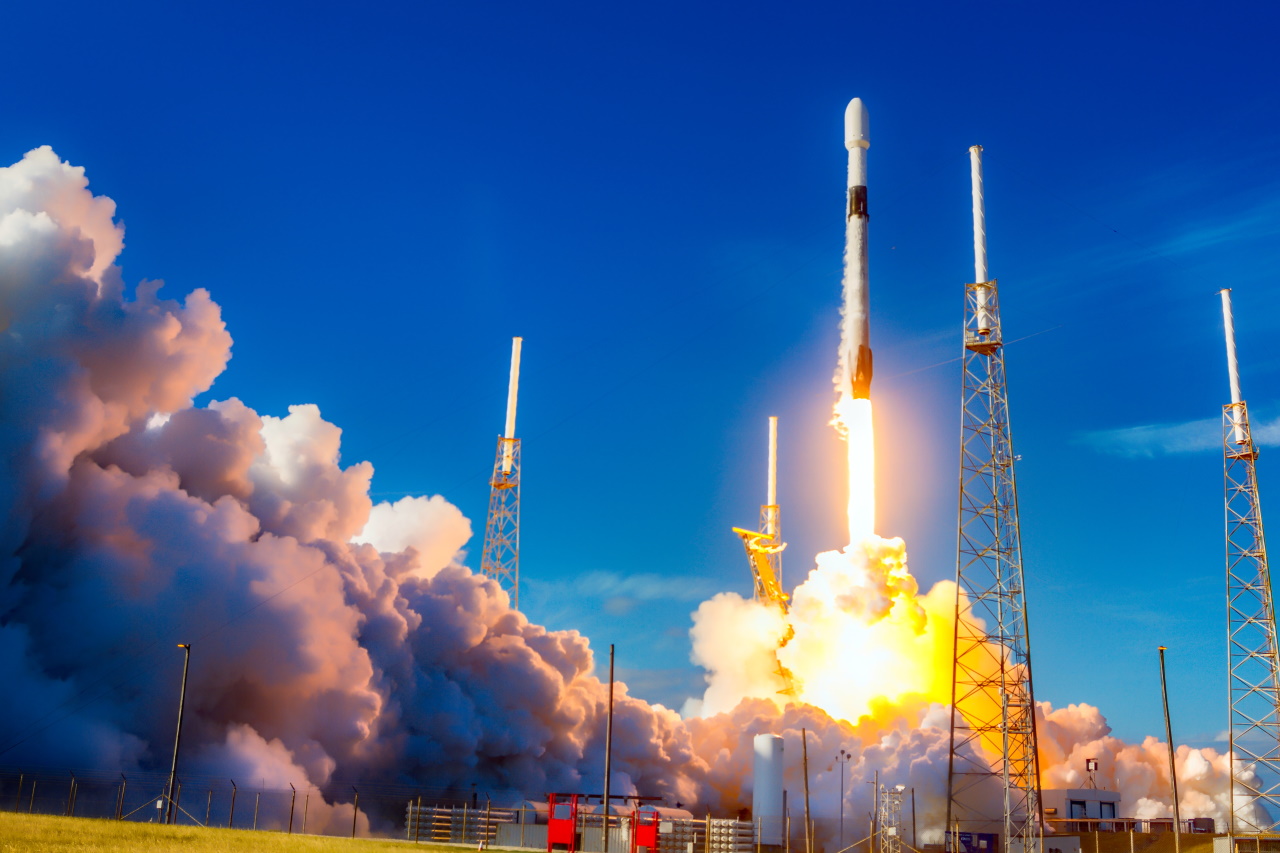
China is a contender for winning the second lunar race (for the creation of the first lunar base and the resumption of manned flights to the moon after more than half a century of break) in case of failure or delay in similar plans of the United States, Russia, EU, Japan, India.
China space program
Scan the QR code to open on your mobile device
Are electric vehicles the future?
2023-06-05 09:52:47
No, it's just a transition
All vehicles with internal combustion engines cannot be replaced. There will be a shortage of raw materials for the production of batteries, wires and infrastructure.
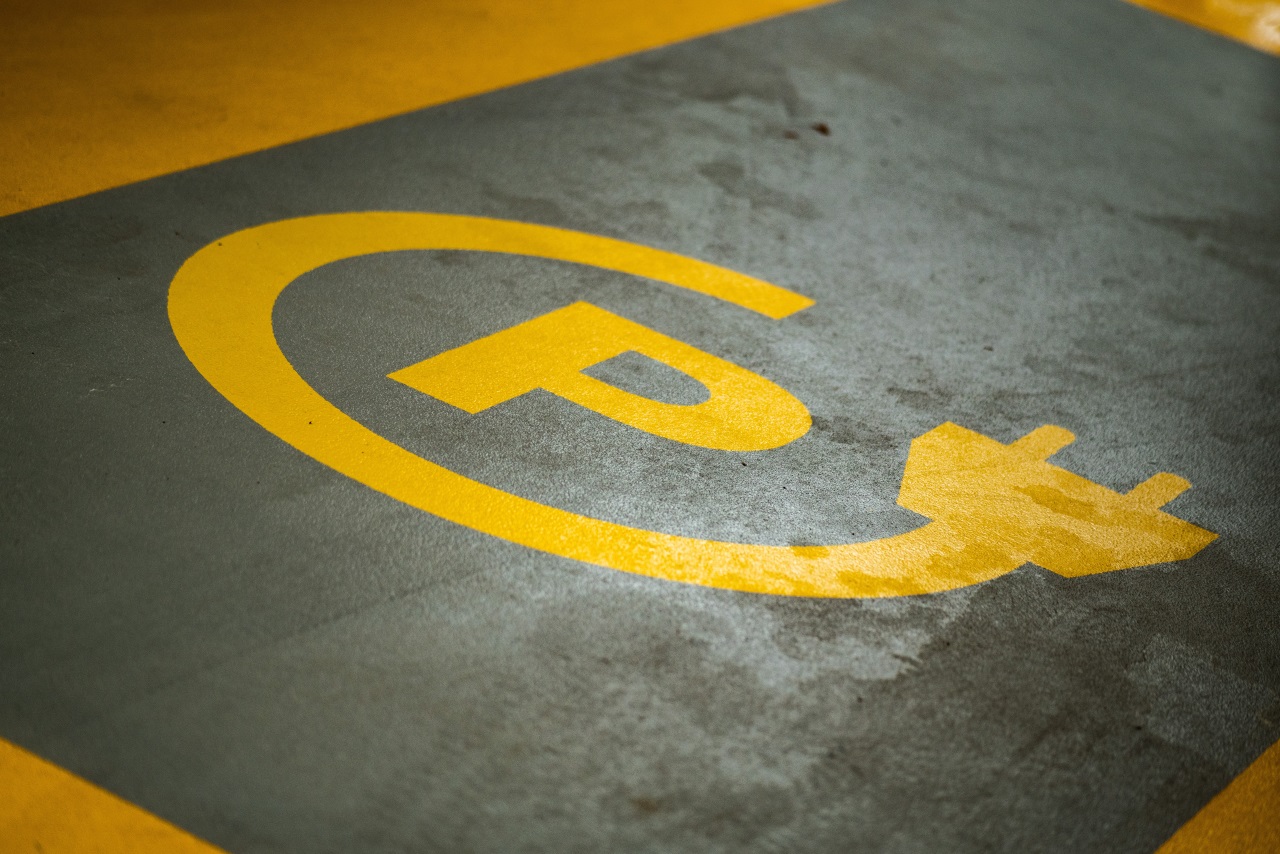
Lithium, cobalt and neodymium stockpiles become the limit beyond which the future of electric cars ends
No, the world will not switch to electric vehicles: 5 main obstacles
Scan the QR code to open on your mobile device
What is the main disadvantage of Putin?
2023-04-28 12:35:05
Bad personnel policy
Vladimir Putin has raised the bar too high for subsequent presidents, which means that no matter what new candidate comes in, he is unlikely to reach Putin, which may negatively affect the state of affairs in the country. The same is true of figures in key positions in the country; there are also no comparable candidates to replace them. They just don't grow.
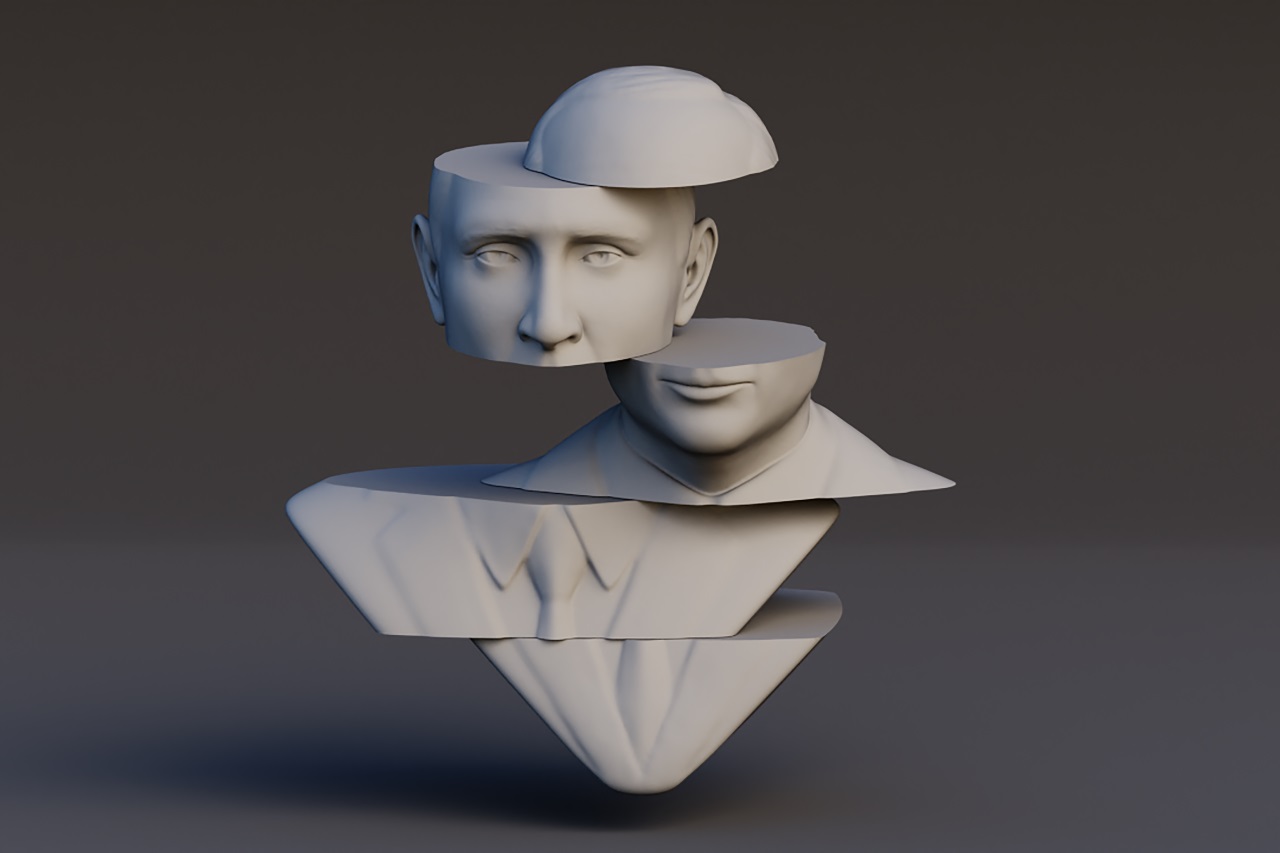
Putin's main personnel problem is that he appoints the faithful, but asks how smart they are.
The main flaw of Putin, which cannot be corrected
Scan the QR code to open on your mobile device

Events
Look at the projections for the next 100 years

AI Advertising
Just enter the link and the artificial intelligence will do the rest

Videos
Search related videos
You can install the AI app from our store.
Scan QR code to get a link to APK file