


 2023-03-19 11:44:47
Why were swine flu, avian and coronavirus pandemics invented?
Although WHO's official mandate is to achieve the highest attainable standard of health for all peoples, serious researchers and scholars note that often under the guise of a health organization, it is actively engaged in political, legal and human rights activities, promoting the interests of large pharmaceutical companies and financial institutions.
To declare a pandemic, the World Health Organization (WHO) changed its definition. If earlier, in order to declare a pandemic, a large number of people had to die, now the WHO considers a disease that has spread throughout the world to be a pandemic. The organization sowed panic by greatly exaggerating the scale of the danger. Her decisions were influenced by experts with financial interests with large pharmaceutical companies that earned billions of dollars to fight the pandemic.
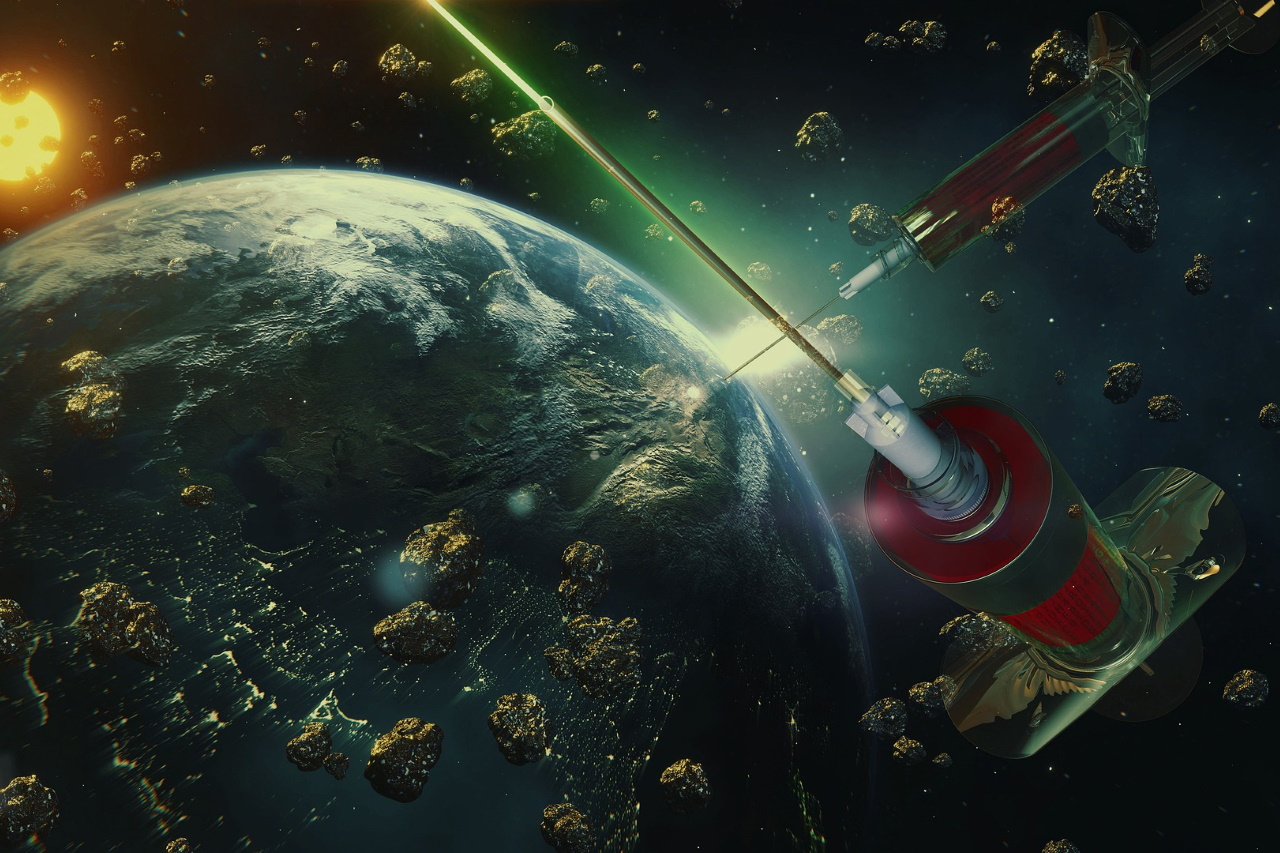
Since 2005, an amendment has been introduced that allows this public organization in emergency situations (for example, during pandemics) to issue orders that are mandatory for execution by all countries. Previously, WHO could only make recommendations to the international community.
Project Pandemic? Signs of a Possible Global Scam
Why did the WHO change the concept of a pandemic?
What is WHO and why does it need pandemics?
Why the WHO is fanning the pandemic and frightening the world's population
Why WHO and its partners need a pandemic
COVID-19 PANDEMIC - A PROJECT OF WHO AND THE WORLD BANK
Scan the QR code to open on your mobile device
2023-01-11 06:00:50What will happen if Russia wins the war?
There will be a truce for a few years, and then the war will start again
A peace treaty will be signed with Ukraine with the renunciation of territories and other negative consequences for Ukraine. Ukraine will unite with Poland and the war will break out according to a new one, because Poland did not sign any treaties. The territory of Ukraine will be restored at the expense of frozen Russian assets. NATO will increase its reliance on U.S. support, as will the concerned, threatened Eastern European countries that find themselves frontline states along an expanded and uncertain line of contact with Russia, including Belarus and Russian-controlled parts of Ukraine.
Sanctions will not be lifted
POLAND IS PREPARING ITS REFERENDUM IN WESTERN UKRAINE
What if Russia wins?
Putin on the possibility of concluding a peace treaty with Ukraine: our goodwill is known
The Kremlin opposed the restoration of Ukraine at the expense of Russia's gold reserves
Named the amount of restoration of Ukraine with the help of Russia
Accuracy 50
Scan the QR code to open on your mobile device
2023-12-11 00:37:24Why is Putin running for president for 3 consecutive terms, despite the constitutional ban for 2 consecutive terms?
After the amendments to the Constitution of Russia, the number of terms was reset. President Vladimir Putin has ensured that he can remain in power until 2036.
President Putin signed a law allowing him to run for two more presidential terms and rule Russia until 2036. The document was published on April 5, 2021 on the official portal of legal information and entered into force from the date of publication. Putin explained the changes in the constitution by the requirements of the time. In particular, the new basic law opened up the possibility of amending paragraph 5.1 of the law on presidential elections. Thus, the counter of Putin's presidential terms is canceled, and the main goal of the amendments is considered achieved.
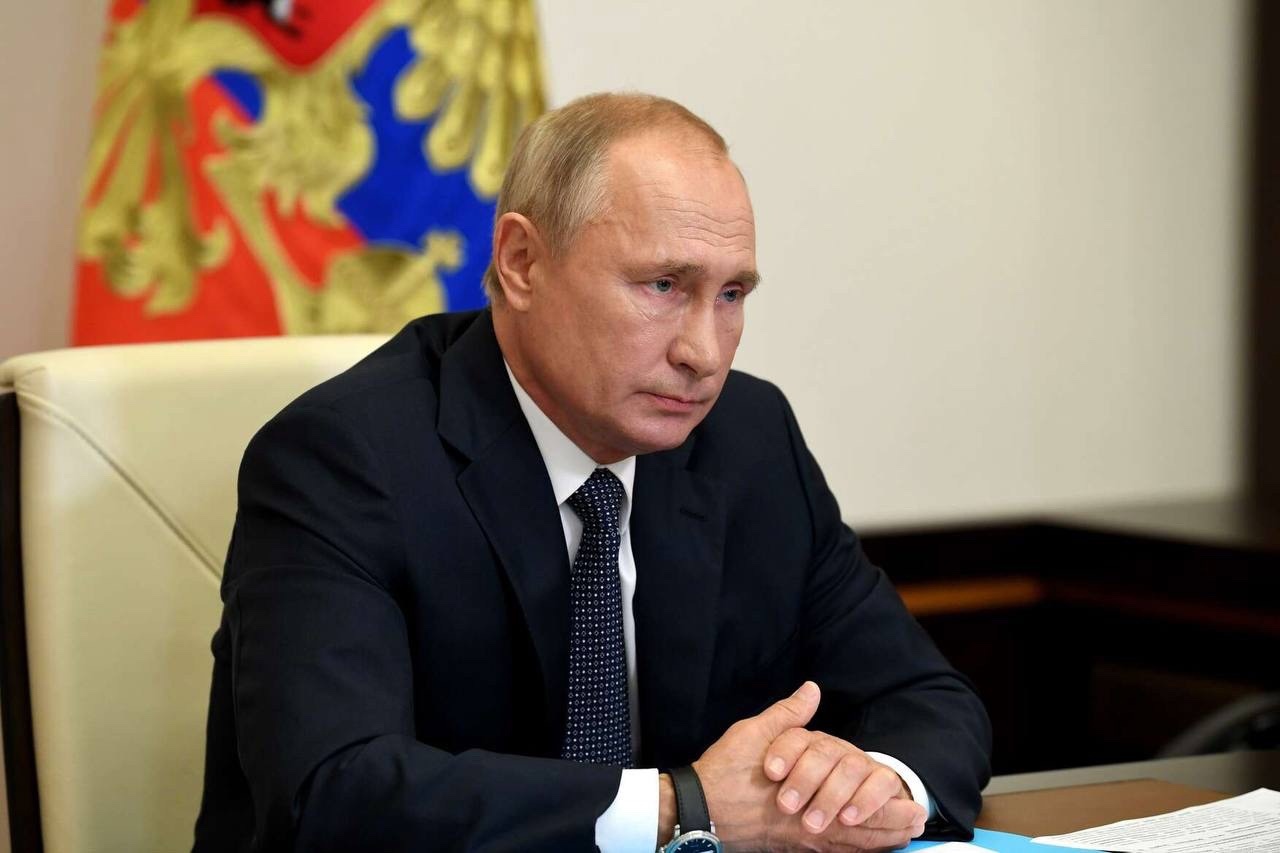
Putin will win the election with 74.9% of the vote.
Putin has reset his presidential terms. He will be able to be elected two more times
Scan the QR code to open on your mobile device
2023-02-22 07:57:05Which countries support Russia in 2023?
China, Iran, Belarus, Serbia.
These countries provide the main military, economic and media support to Russia.
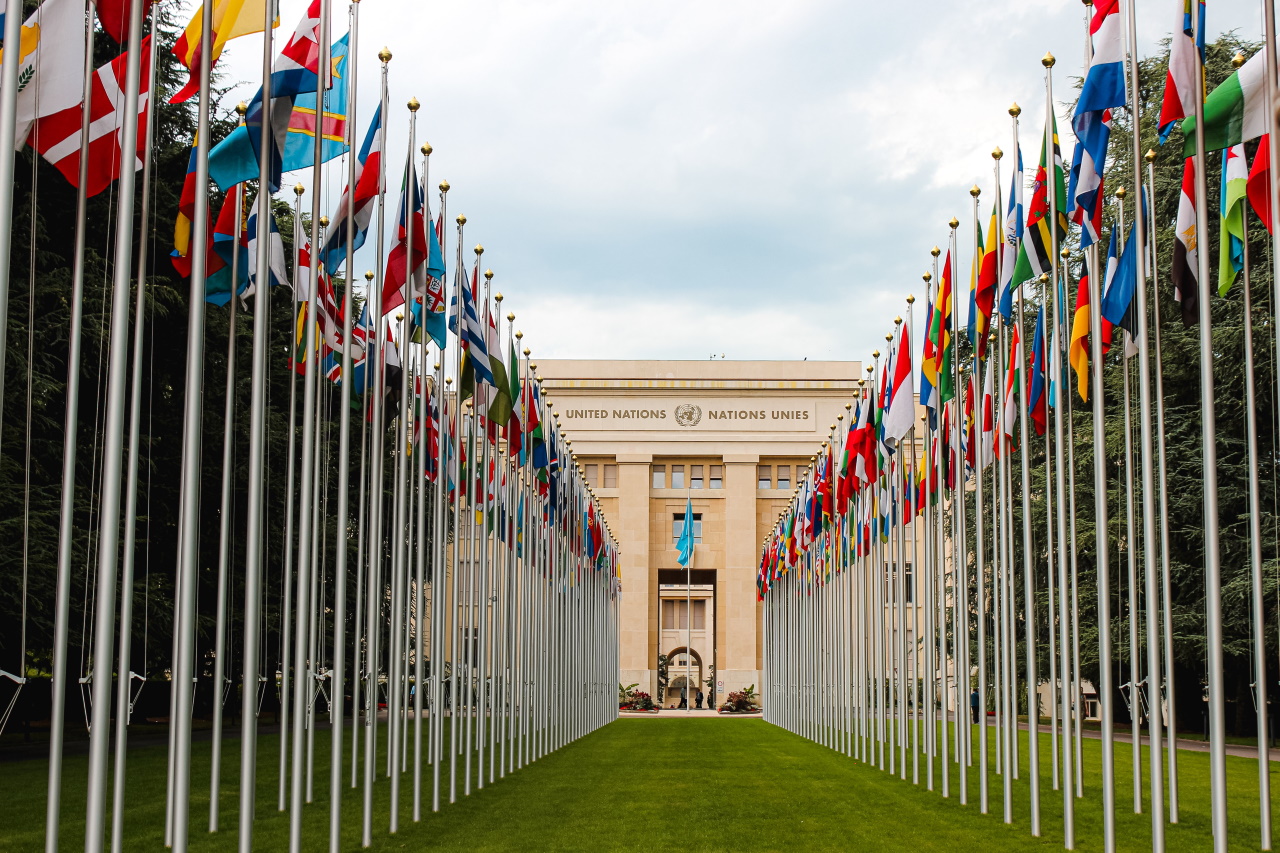
The list of friendly countries does not stop there.
Which of the countries, quietly, helps Russia in the SVO?
Accuracy 10
Scan the QR code to open on your mobile device

Events
Look at the projections for the next 100 years

AI Advertising
Just enter the link and the artificial intelligence will do the rest

Videos
Search related videos
You can install the AI app from our store.
Scan QR code to get a link to APK file