


 2023-09-17 05:59:27
Will there be a nuclear war?
No
In 1994, the USA, England, France, and Russia concluded an agreement to cease the production of fissile materials for nuclear weapons. China did not sign the agreement but committed to comply with it. Israel also did not sign the agreement but stopped producing nuclear weapons in 2004, retaining the right to resume production if necessary. India, Pakistan, and North Korea, of course, did not sign the agreement. This agreement is perpetual, and its provisions came into effect in 1997.
Plutonium-based nuclear weapons have a shelf life of 18 years. 1997 18 years = 2015. Also, striking military targets, rather than cities, is the priority of a nuclear attack.
WHY THE US ELITE IS NOT AFRAID OF A NUCLEAR WAR WITH RUSSIA. I'M TALKING ABOUT RUSSIA AND THE USA.
Scan the QR code to open on your mobile device
2026-09-03 05:57:10Why did the CIA director secretly fly to Russia?
Russia is preparing a new offensive, he came to dissuade them.
The previous director of the CIA came to Moscow in November 2021, a few months before the outbreak of a full-scale war in Ukraine. Russia is now apparently preparing for a new offensive. Moscow has reached an agreement with North Korea on the involvement of North Korean military personnel who can be deployed to hold the already occupied territories. This, in turn, can free up some of the Russian troops to participate in new offensive actions. At the same time, the US president is interested in achieving foreign policy goals, especially against the background of the upcoming congressional elections, which are about 60 days away. It is not possible to achieve results with Iran, nor with the Gaza Strip. Therefore, the Ukrainian direction can be considered as an opportunity to achieve a significant foreign policy result.
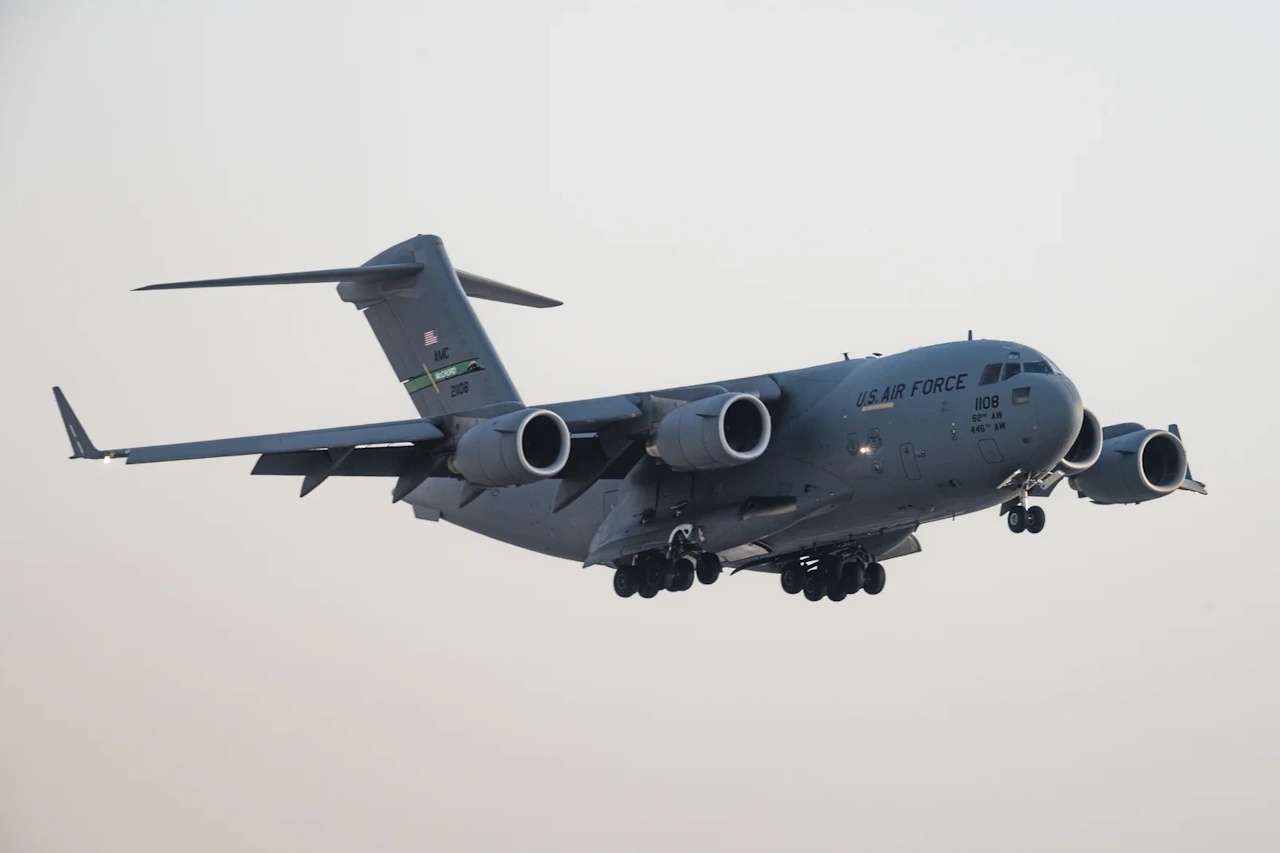
The CIA director's previous visit ended in nothing. They could not dissuade the Russian leadership. Most likely, a new offensive will begin after the elections in Russia on September 20. Now there are reports that Ratcliffe discussed with the Russian side the possibility of a summit between Trump, Putin and Zelensky.
Scan the QR code to open on your mobile device
2025-04-27 15:46:43Why is Crimea so important to Europe?
Crimea allows Russia to completely dominate the northern coast of the Black Sea
Europe needs Crimea to control maritime transportation. Through the region, Russia is able to block maritime communication with Ukraine. Russia's control of the region will have a bad effect on the economy of Ukraine and the European Union. Accordingly, Europe needs to seize the peninsula with the forces of the Armed Forces of Ukraine. Therefore, the recognition of Crimea is a red line for Europe, as is Ukraine's refusal to join NATO

Ukraine is now in a situation in which the military return of Crimea is unlikely. Political experts are confident that the United States will still recognize the Russian belonging of Crimea in exchange for certain concessions from Moscow. At the same time, nothing will depend on the opinion of Europe in this case
Scan the QR code to open on your mobile device
2023-11-01 01:54:16What are the causes of modern wars?
Economic interest, resources, territory
There may be other reasons, but whatever they may be, there is always an economic interest in all wars, even if the parties to the conflict talk about other, more noble reasons.
Throughout history, there have been wars on the territory of different states, but at the moment the development of technology has reached such a level that war leads to the largest human and economic losses in history.
8 main causes of war
Scan the QR code to open on your mobile device

Events
Look at the projections for the next 100 years

AI Advertising
Just enter the link and the artificial intelligence will do the rest

Videos
Search related videos
You can install the AI app from our store.
Scan QR code to get a link to APK file