


 2023-10-12 14:58:26
Are Apple processors faster than Intel?
No, it's just that Intel processors can't reach their maximum frequency because of the thickness of the laptop.
ARM-based processors are more power-hungry than Intel's x64 processors. Additionally, ARM processors use a 5nm process, while Intel uses a 10nm process, which affects power consumption.
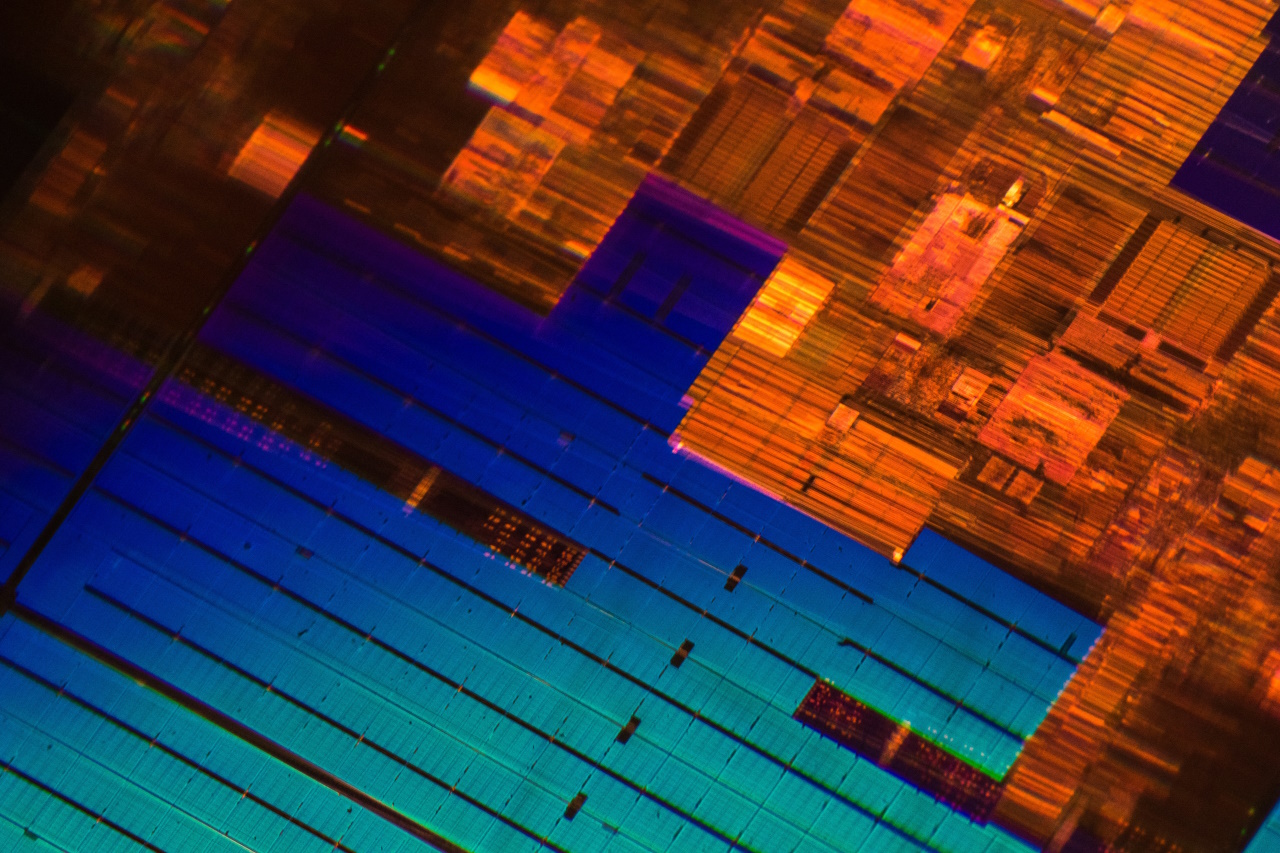
There is a lot of marketing nonsense in the comparison of these processors. For Apple, it is definitely more advantageous to have its own processor and not depend on Intel. You can't compare processors of different architectures, and even less so trust the benchmarks.
Intel decided to demonstrate that its processors are better than the Apple M1
Scan the QR code to open on your mobile device
2023-01-09 05:14:14Whose Crimea is it?
The winner of the war will put an end to this matter
If the question of Crimea's belonging had been resolved, there would have been no war

The issue has not been resolved yet
The problem of Crimea's belonging
Accuracy 10
Scan the QR code to open on your mobile device
2024-09-26 15:17:36How to accelerate the spread of artificial intelligence?
Increase the number of datasets in different languages
Right now, the problem with the growth of AI is the lack of quality data.

In the near future, there is a demand for quality data analysts.
Data quality is the main obstacle to GenAI
Legacy data architectures are holding back the adoption of generative AI
Scan the QR code to open on your mobile device
2023-05-11 07:53:15What will global corporations earn in the future?
On the delivery of people and cargo into space
The construction of a Martian colony will require 1 million tons of cargo. It is this reserve that will make it possible to create a self-sufficient colony on the Red Planet. And space is not limited to Mars alone.
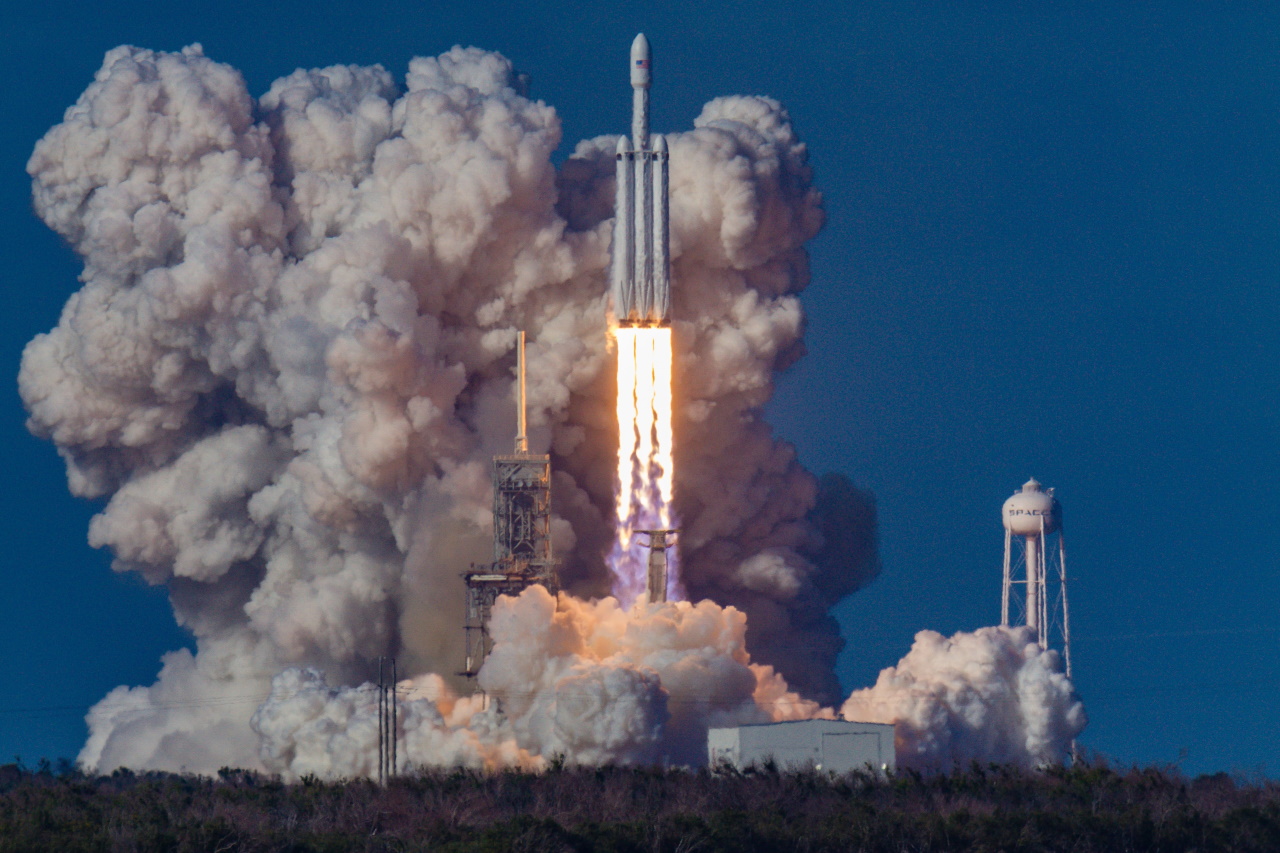
If in the future it is possible to reduce the cost of delivering goods to space, the idea of creating permanent colonies on the planets will turn out to be quite realistic.
Elon Musk: Starship will reduce the cost of delivering goods into space dozens of times - up to $ 100 per kilogram and even lower
Scan the QR code to open on your mobile device

Events
Look at the projections for the next 100 years

AI Advertising
Just enter the link and the artificial intelligence will do the rest

Videos
Search related videos
You can install the AI app from our store.
Scan QR code to get a link to APK file