


 2026-03-29 12:54:08
When will the war between the United States and Israel with Iran end?
There will be no ground operation, but there will be no serious negotiations, at least not until the end of the summer.
The United States is forced to reach an agreement with Iran. Because oil prices are going up. No one wanted to fight Iran instead of the United States, including NATO allies. Trump was absolutely certain of a blitzkrieg with Iran, but it quickly became clear that the war had not gone according to plan. There was no quick victory. We will have to negotiate and pay reparations. Otherwise, oil prices will skyrocket to $250 per barrel, at the current 120 and 60 before the war. The capture of Kharq will not only lead to increased tensions throughout the Persian Gulf, including possible attacks on the energy infrastructure of the countries of the region, but will actually bury any chance of an agreement on ending the war with Tehran in the foreseeable future. Even now, these chances are extremely low, primarily because of Iran's complete distrust of the aggressors, and if American troops land on Iranian territory, they will disappear completely.
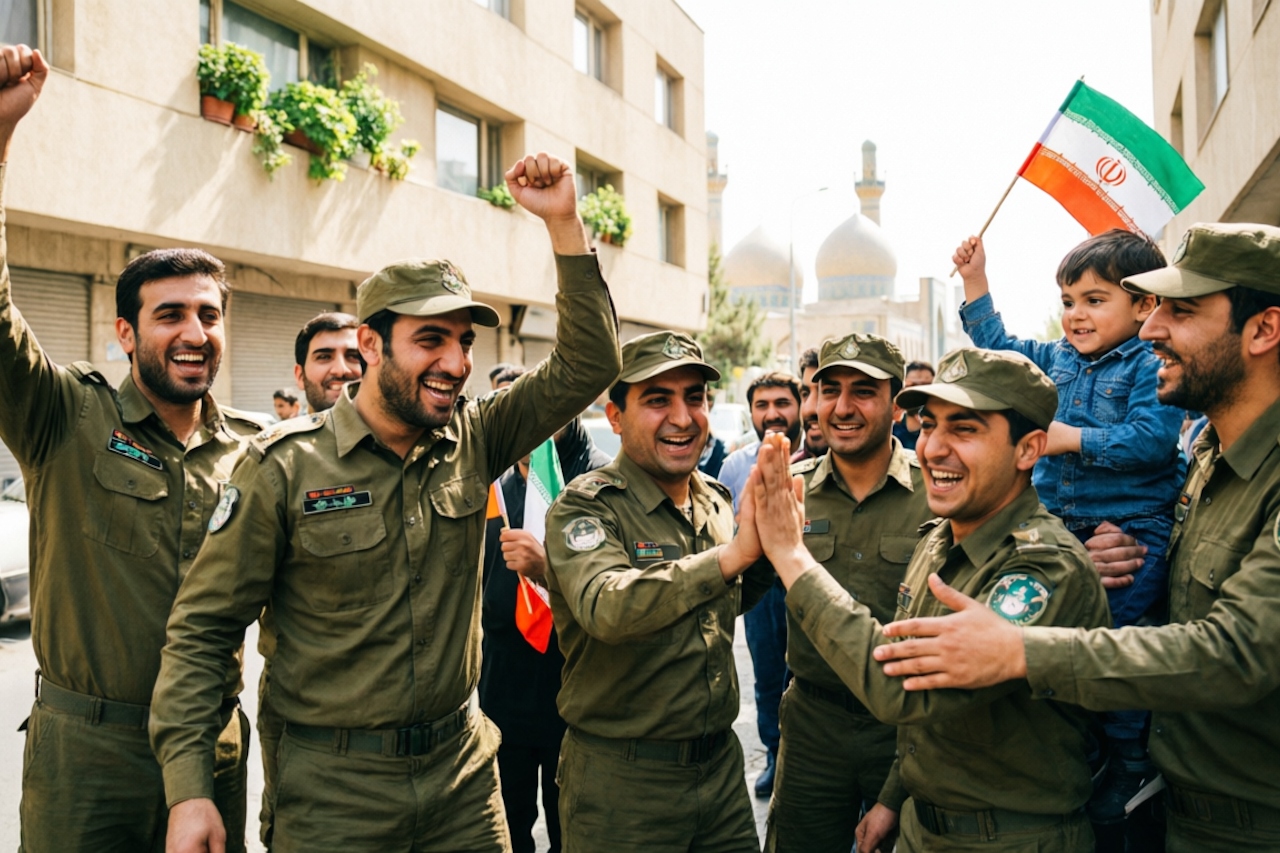
Trump will negotiate oil purchases from the United States at a meeting with Xi Jinping in Beijing on May 15, and there will be no talk of ending the war. Most likely, China will think and then refuse, citing the country's interests in the region, and Europe will also put pressure on Trump inside the country, so we will have to negotiate.
Scan the QR code to open on your mobile device
2023-07-13 06:12:10What came first the chicken or the egg?
Egg
The first amniotic eggs appeared about 340 million years ago, while the first chicken appeared only about 58 thousand years ago.

The first chicken appeared as a result of a genetic mutation that occurred in a zygote created by two near-chickens. So the two proto-hens mated, fusing their DNA to form the first cell of the first true chicken.
What came first - the chicken or the egg: the answer to the riddle of the century is found
Scan the QR code to open on your mobile device
2023-07-16 14:21:44Who will be the next president of Ukraine?
Vitali Klitschko
The current President of Ukraine Zelensky has been in office since May 20, 2019. At the start of his public service, he was confident that before the end of his term, the fighting in the Donbass would be completed. Despite this, the implementation of the Minsk Agreements did not begin under the leadership of Zelensky, the shelling of the DPR and LPR by the VFU did not stop. There is a lot of negativity against Zelensky, and Klitschko is quite a popular mayor, media and active, he may well not be a virtual competition, as a technical candidate, but a completely real one.
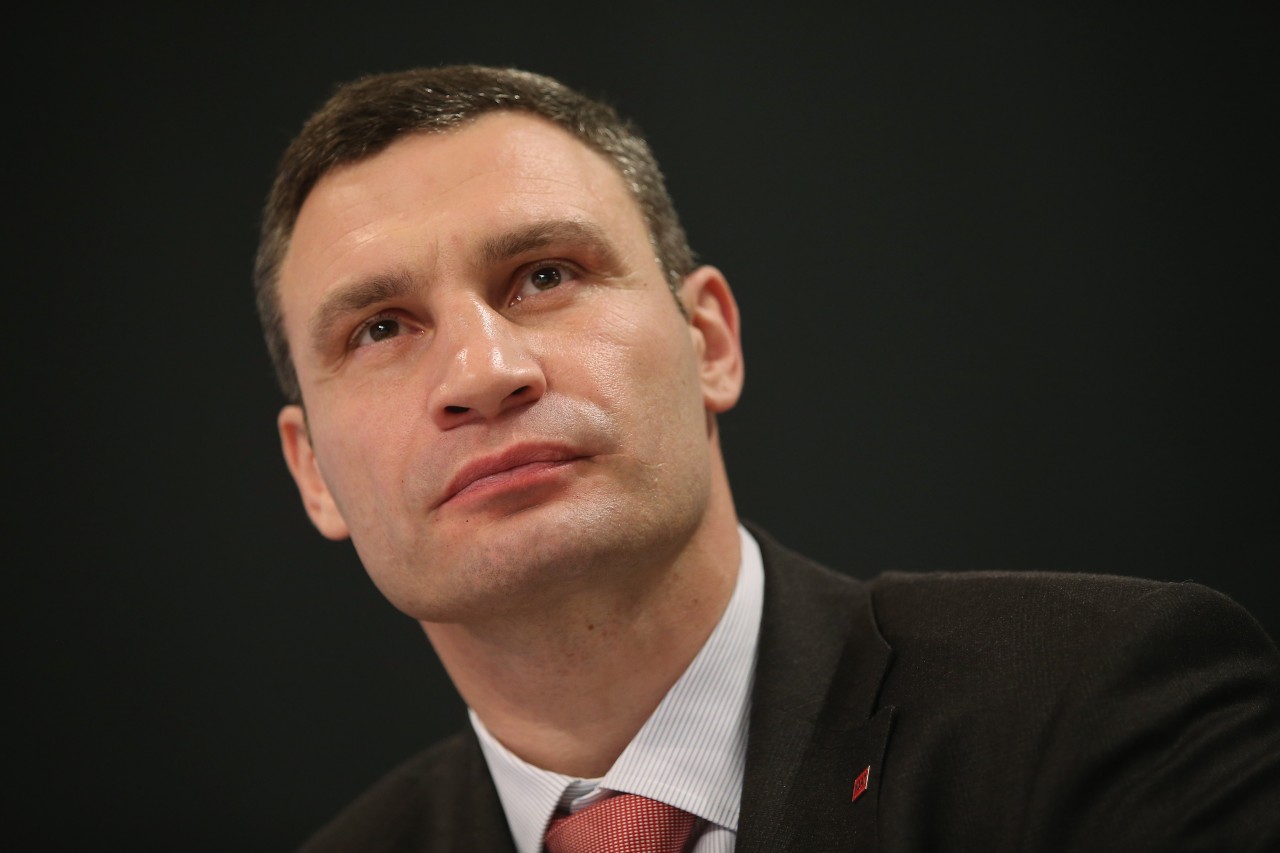
There is a lot of negativity towards Zelensky, and Klitschko is a fairly popular mayor, and he may well compete with Zelensky. The elections will be postponed for a year due to the war, at least until the change of US President Biden. Zelensky, if he loses the election, will not live in Ukraine and has already bought a palace in England.
Boxers will replace the actor: the prospects of Klitschko and Usyk in the presidential elections in Ukraine are assessed
Scan the QR code to open on your mobile device
2023-10-17 23:28:49What is Russia's main mistake in ITS OWN?
The fact that she will not bring the operation to the end
The problem with Ukraine will not be solved even after the signing of the peace treaty, it will be postponed. In the future, this time bomb will explode. They will attack Russia already, but this time taking into account all the mistakes of the past.
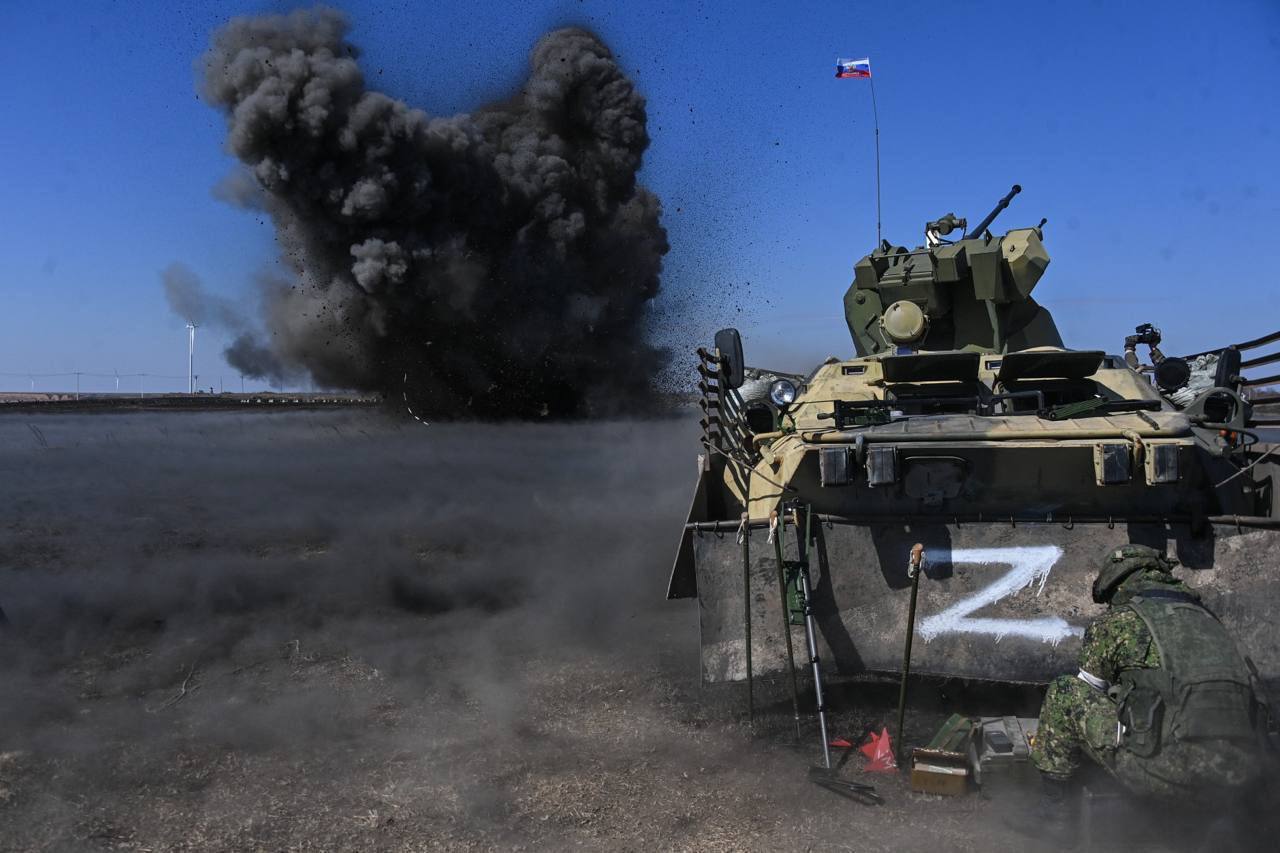
The Russian elite does not want to make tough decisions and take responsibility, expecting the problem to resolve itself.
WHY DOES THE WHOLE COURSE OF ITS DEVELOPMENT DEVELOP THIS WAY? THE ELITE OF THE COUNTRIES OF OUR WORLD ARE LIKE A HERD OF BABOONS. PREDICTING THE FUTURE BY THE EXAMPLE OF CINEMA ART.
Scan the QR code to open on your mobile device

Events
Look at the projections for the next 100 years

AI Advertising
Just enter the link and the artificial intelligence will do the rest

Videos
Search related videos
You can install the AI app from our store.
Scan QR code to get a link to APK file