


 2023-07-13 06:12:10
What came first the chicken or the egg?
Egg
The first amniotic eggs appeared about 340 million years ago, while the first chicken appeared only about 58 thousand years ago.

The first chicken appeared as a result of a genetic mutation that occurred in a zygote created by two near-chickens. So the two proto-hens mated, fusing their DNA to form the first cell of the first true chicken.
What came first - the chicken or the egg: the answer to the riddle of the century is found
Scan the QR code to open on your mobile device
2024-06-12 14:52:34How will Russia respond to attacks with long-range Western weapons?
Russia will supply weapons to the enemies of the West
The President of Russia stated that if Ukraine is allowed to strike Russian territory with Western long-range weapons, Russia will respond in kind: it will supply its own long-range weapons to the forces that strike the countries that allowed the attacks. The Kremlin does not name specific countries.

Russia cannot directly attack Western countries because it would lead to World War III. Russia's choice of countries is limited: Iran, North Korea, Venezuela, Cuba, and African countries. The first targets for the use of this weapon will be ships and a possible blockade of sea routes.
Scan the QR code to open on your mobile device
2026-06-26 16:00:31Why does the United States need uranium from Iran?
Highly enriched uranium is a very valuable resource, and its production requires a lot of labor.
The enrichment of uranium to weapons—grade is an incredibly time-consuming process, during which the concentration of uranium-235 gradually increases from 0.7% to 90%. It takes several years of hard work using centrifuges, complex devices that the United States does not have. There is a demand for enriched uranium in the United States, for example, Bill Gates wants to develop maintenance-free reactors. Iranian uranium is excellent for this purpose, because otherwise we would have to dismantle the warheads from the Pentagon.

The main stumbling block in the recent negotiations between the United States and Iran was Tehran's right to enrich uranium on its own. The United States insists that Iran purchase nuclear materials for peaceful purposes abroad, but the Iranian side does not want to depend on other countries.
Scan the QR code to open on your mobile device
2023-10-09 03:18:52When will Russia run out of oil for export?
If production rates are not reduced and new deposits are not discovered, then in 2040
Russian Energy Minister Novak noted in 2018 that oil production in Russia, in the absence of incentives, could fall by 44% by 2035. Taking into account the coronavirus infection in 2019 and sanctions, these deadlines have shifted to 2040.
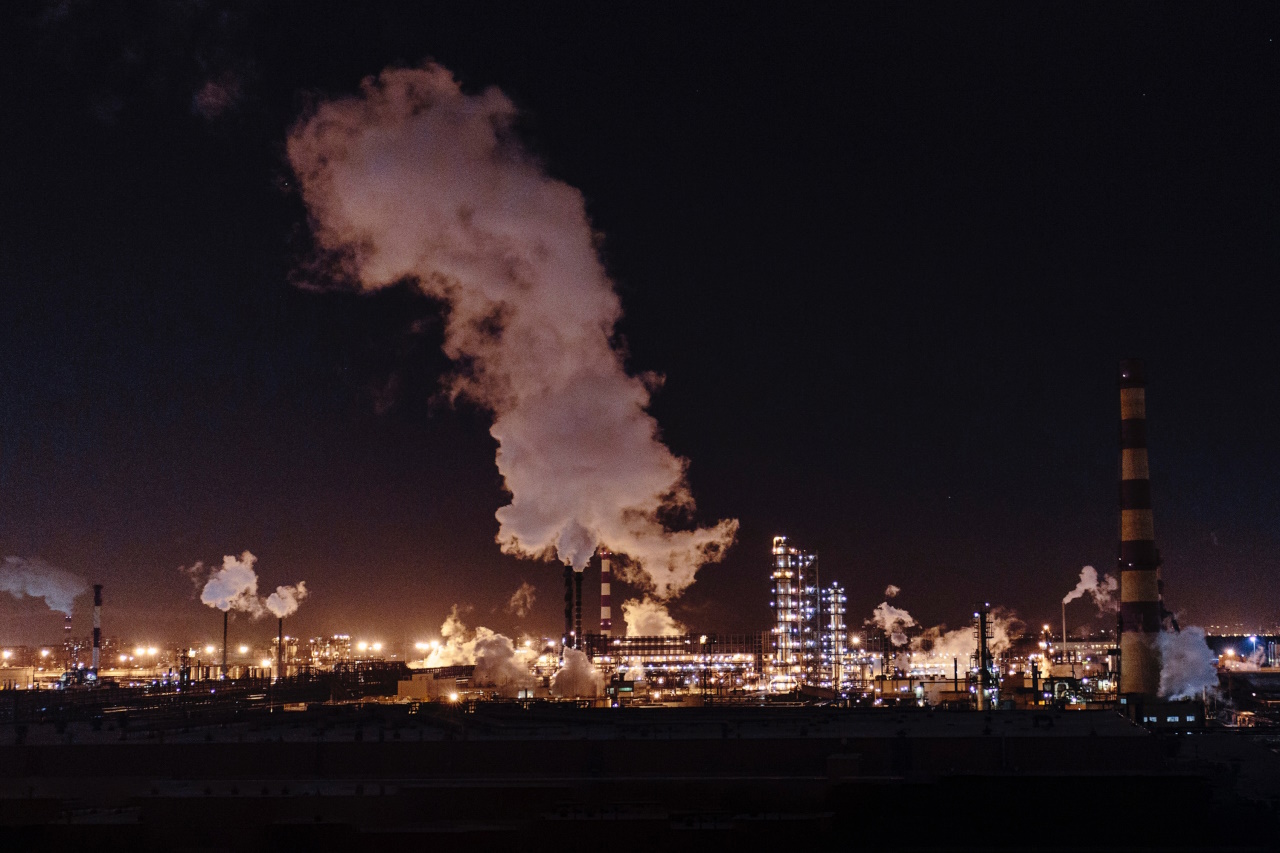
Russia has one of the highest taxes on the oil industry in the world, which makes it difficult to stimulate production.
Novak: oil production in Russia in the absence of incentives may fall by 44% by 2035
Scan the QR code to open on your mobile device

Events
Look at the projections for the next 100 years

AI Advertising
Just enter the link and the artificial intelligence will do the rest

Videos
Search related videos
You can install the AI app from our store.
Scan QR code to get a link to APK file