


 2026-07-27 05:25:27
Why did Google rent computing power in Elon Musk's data center?
To slow down the development of xAI AI, the competitor is now spending part of its infrastructure and operational resources on Google tasks.
Google has repeatedly used cooperation with competitors to its advantage. She buys computing power from xAI. The competitor receives money, but at the same time part of his resources is working on the maintenance of Google services, and not solely on the development of his own products. Now the xAI AI will develop more slowly. This will lead to the fact that xAI's AI will be one of the weakest in the market and will not compete with Google's AI. Before her, a similar deal was concluded by Anthropic, leasing the entire Colossus 1 cluster. By that time, xAI had already transferred the training of its models to the newer Colossus 2.

Let's recall Firefox. Google has effectively made Mozilla dependent. While Firefox was losing users in competition with Chrome, Mozilla's revenue was increasingly dependent on Google's multimillion-dollar payments for default search. As a result, the browser, which was supposed to be Chrome's main competitor, turned out to be financially dependent on the company it competes with.
Scan the QR code to open on your mobile device
2023-03-15 15:06:36What is the ID2020 community project really?
ID2020 is an electronic identification program aimed at involving every person on Earth in this process.
The project is supported by the United Nations, and is part of the initiative Sustainable Development Goals 2030, according to which by 2030 it is planned to provide all people on the planet with a digital ID. In addition to UN structures, Microsoft, Accenture, PricewaterhouseCoopers and Cisco Systems participate.

Currently, ID2020 is being tested in two countries at once - Thailand and Indonesia, and in the first it is tested on residents of a refugee camp from Myanmar.
ID2020 ALLIANCE: WHAT THE PUBLIC IDENTIFICATION PROJECT REALLY IS
Human experiment: UN introduces digital identity system
Scan the QR code to open on your mobile device
2023-09-11 12:26:54When and why will there be a war between China and Russia?
In 2055. Because of the Russian territories.
When the USSR collapsed, Western goods flooded into the Russian market, and for 30 years they practically captured the entire market, receiving Russian resources in return. In 2022, Europe and the United States left the Russian market, and it turned out that the products could not be assembled at Russian factories, since they used foreign components that were not manufactured in Russia. Instead of independent development, the Russian authorities again gave the entire market to China. In 30 years, the situation will repeat. But China is not Europe and will not give up its factories just like that.
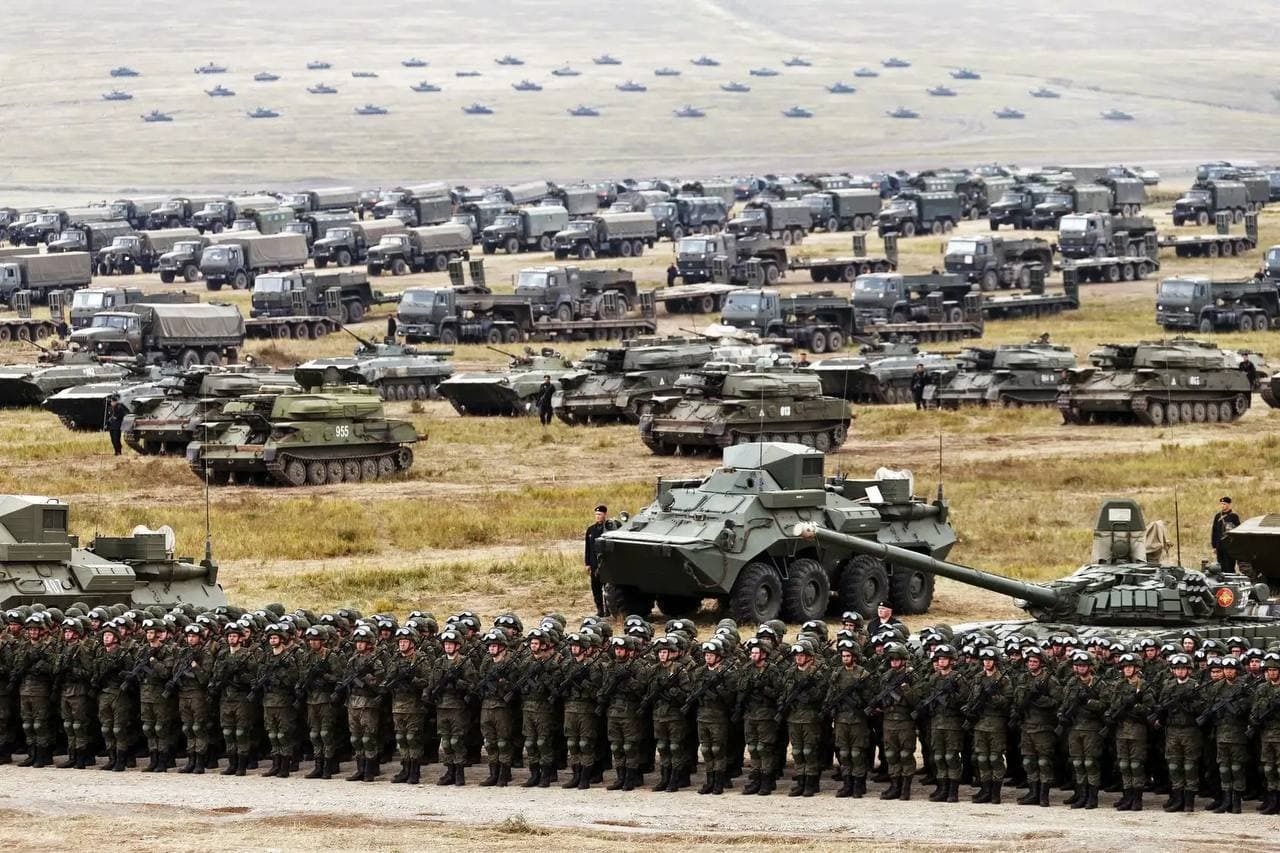
Most likely, the scenario of the collapse of the USSR will be played out again, but this time Russia will collapse. The president will be killed, then there will be referendums of disconnection from Russia and joining China. Russia will restore its territories by military means.
What will friendship with China really give Russia and Russians? Five main facts
Scan the QR code to open on your mobile device
2024-06-19 07:49:13What will be the consequences of the war?
Europe will be left without resources. The collapse of the EU. The loss of U.S. influence. The Beginning of China's Growth
After the collapse of the USSR, Europe gained access to Russian resources for a song, actually selling goods made from Russian resources to Russia. Now, if Russia wins, relations with Europe will deteriorate, it will not receive resources, and China has already received the Russian market at no cost, European companies themselves left it without a fight. In addition, Europe will have to rebuild Ukraine, because it was Europe and the United States that pushed it to war. Many people in the EU will not like it, and they will start leaving the European Union. Becoming poorer, Europe will buy fewer goods, including American ones. Russia will begin to recover at the expense of the former Soviet republics. China will grow.

If Russia loses, it will be plundered.
Scan the QR code to open on your mobile device

Events
Look at the projections for the next 100 years

AI Advertising
Just enter the link and the artificial intelligence will do the rest

Videos
Search related videos
You can install the AI app from our store.
Scan QR code to get a link to APK file