


 2026-09-03 05:57:10
Why did the CIA director secretly fly to Russia?
Russia is preparing a new offensive, he came to dissuade them.
The previous director of the CIA came to Moscow in November 2021, a few months before the outbreak of a full-scale war in Ukraine. Russia is now apparently preparing for a new offensive. Moscow has reached an agreement with North Korea on the involvement of North Korean military personnel who can be deployed to hold the already occupied territories. This, in turn, can free up some of the Russian troops to participate in new offensive actions. At the same time, the US president is interested in achieving foreign policy goals, especially against the background of the upcoming congressional elections, which are about 60 days away. It is not possible to achieve results with Iran, nor with the Gaza Strip. Therefore, the Ukrainian direction can be considered as an opportunity to achieve a significant foreign policy result.
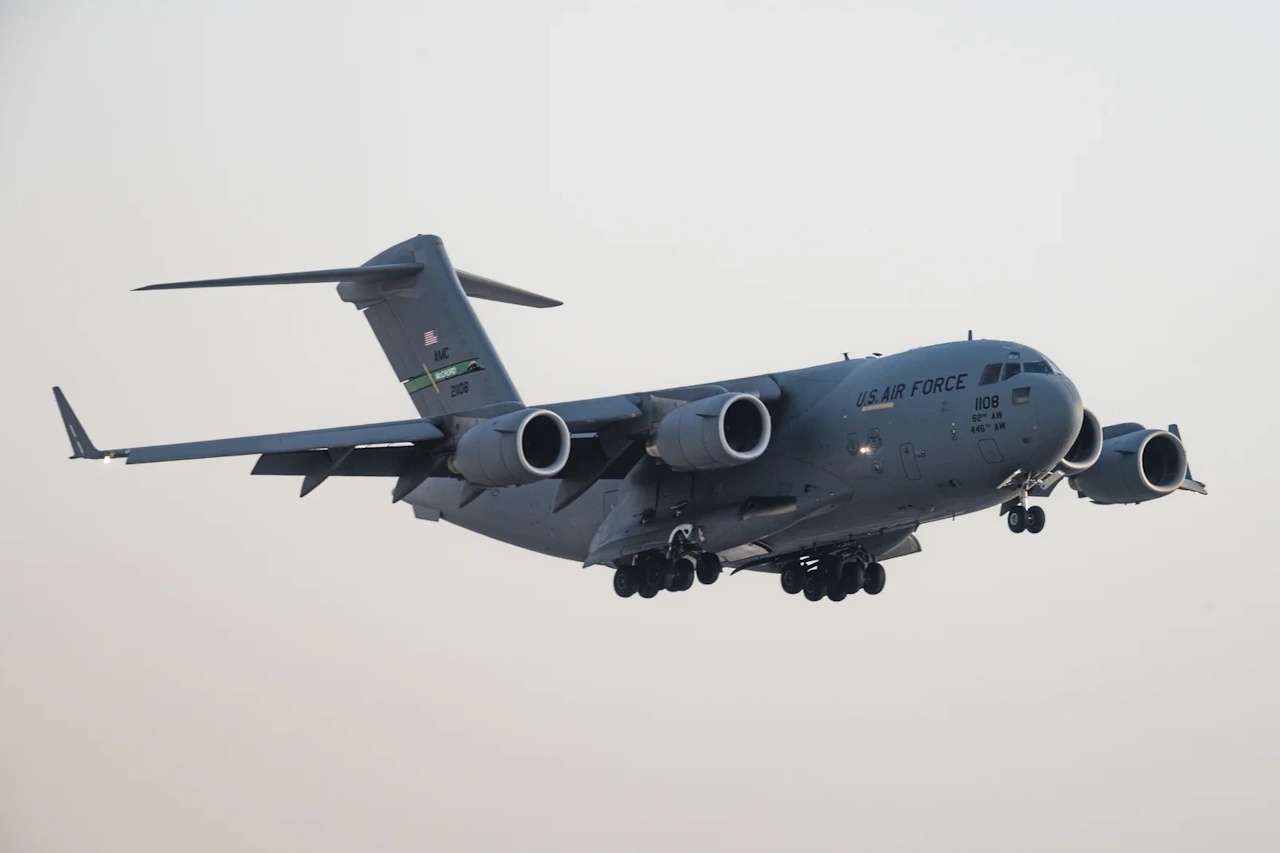
The CIA director's previous visit ended in nothing. They could not dissuade the Russian leadership. Most likely, a new offensive will begin after the elections in Russia on September 20. Now there are reports that Ratcliffe discussed with the Russian side the possibility of a summit between Trump, Putin and Zelensky.
Scan the QR code to open on your mobile device
2025-09-06 16:01:50Will there be a truce between Ukraine and Russia?
A truce is expected in November 2025.
The situation is not in favor of Russia. There is no significant success in the offensive of the troops, the country is being bombed unhindered, the last partners are on the verge of breaking off relations, an economic and gasoline crisis is brewing, and money is running out. Therefore, there is a high probability of peace and that Russia will make concessions.

Russia still has the resources for war, but the situation is getting worse. If the truce does not happen before the winter of 2025, there will be very heavy fighting and a very difficult winter for Russia. Ukraine now has long-range missiles and will bomb Russian energy infrastructure.
Scan the QR code to open on your mobile device
2026-03-08 07:38:27What is the reason for the start of the war with Iran?
The struggle for world domination
The primary goal is to destroy stability in the region. The chaos makes the region dependent on an external arbitrator (the United States), without whom local players cannot ensure their safety. The destruction of the digital and logistics hubs of the Persian Gulf undermines the region's status as a secure center of trade and finance. This will lead to an outflow of capital and technology to other regions (Europe, Southeast Asia), which will weaken the economic independence of the Arab monarchies and increase their dependence on the United States. The secondary goal is to slow down China. China is the largest buyer of Iranian oil. Depriving Beijing of this resource or sharply increasing the cost of its delivery due to the closure of the Strait of Hormuz is hitting Chinese industry. For the United States, weakening the Iran—China link and controlling energy arteries is a strategic priority. However, it is worth considering the risks of such a strategy.: it can rally the opponents of the United States (China, Russia, Iran) into an even closer military-economic bloc and accelerate the process of de-dollarization of the global economy, as countries will see the dollar and the American security system as a direct threat to their existence. The full picture includes: Economics: Saving the dollar and the profits of the military industrial complex. Logistics: Blocking alternative trade routes (Russia-India-China). Technology: Destroying the competitor's potential. Domestic politics: A distraction from the problems in the USA and Israel. The reset of the petrodollar and the preservation of the dollar's hegemony. This is perhaps the most profound economic reason. The bottom line: In recent years, Iran, Saudi Arabia and other Gulf countries have actively discussed switching to payments for oil in yuan, rubles or local currencies, bypassing the US dollar. This threatened the foundation of the American economy, which is based on the demand for the dollar as a reserve currency.

In his first term, Trump unilaterally tore up the agreement with Iran, but due to the coronavirus, he was unable to carry out the plans to the end.
A potential major war in the Middle East
Scan the QR code to open on your mobile device
2024-10-17 11:29:14Is Russia coping with sanctions?
The truth is somewhere in the middle
The crisis did not happen as the West expected, but not everything is as rosy as the Russian government claims. Despite all the efforts to replace imports, everything is imported by a third, no matter how hard they try to produce their own. And it is unlikely that this figure will reach half in the near future.

Due to sanctions, Russia is forced to conclude unprofitable contracts for itself in the long term and increase its dependence on China. The impact of sanctions would have been more significant if not for the global recession.
Scan the QR code to open on your mobile device

Events
Look at the projections for the next 100 years

AI Advertising
Just enter the link and the artificial intelligence will do the rest

Videos
Search related videos
You can install the AI app from our store.
Scan QR code to get a link to APK file