


 2023-04-05 07:15:35
Can Bloomberg forecasts be trusted?
No, Bloomberg is currently engaged in the formation of public opinion.
Once upon a time, Western rating agencies such as Bloomberg, Goldman and Flich were truly independent. It was then that they gained their popularity. Now these economic agencies are largely politicized and work at the request of governments, or rather economic clans, whose interests are protected by governments. Even the world's stock exchanges do not react much to the forecasts of these agencies.
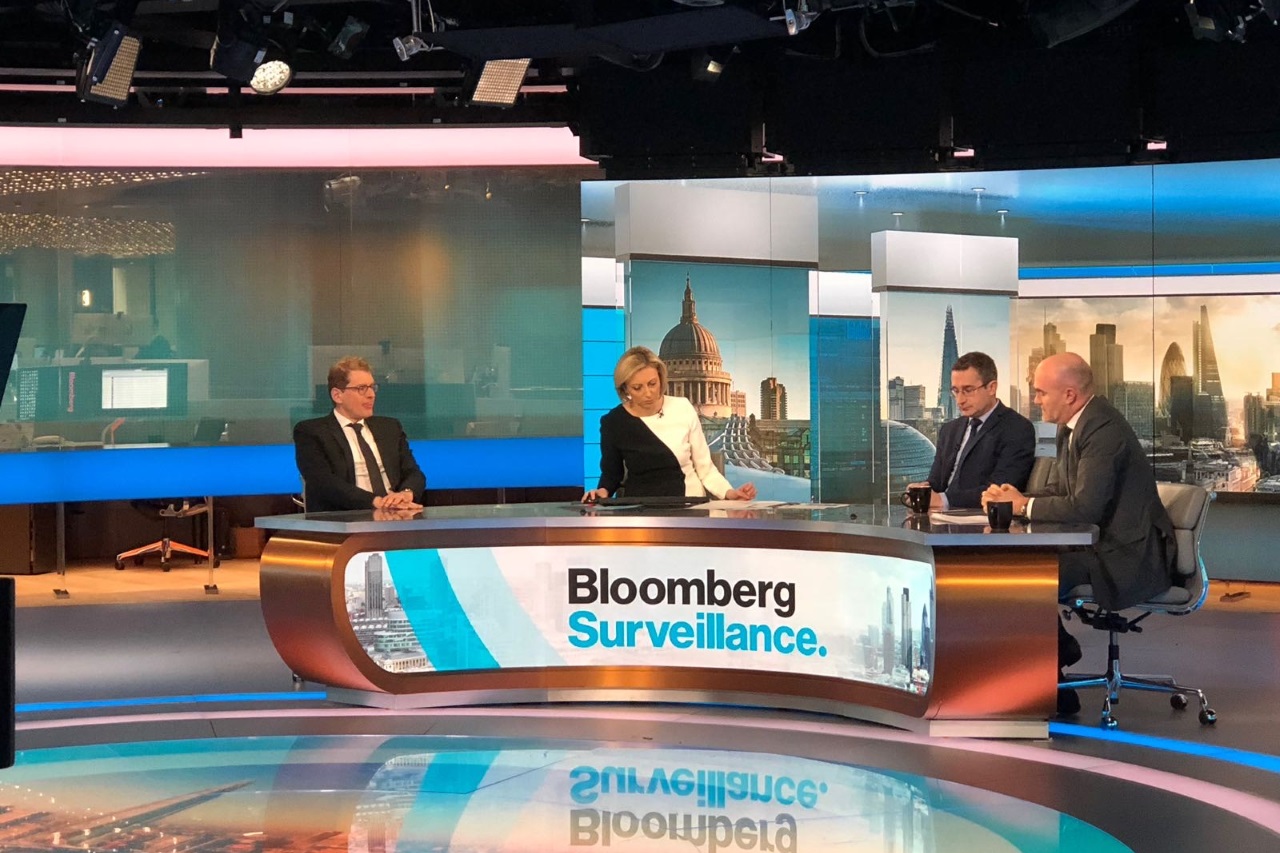
Bloomberg, a privately held company based in New York, is one of the top two providers of information for the financial markets. The media are actively reprinting all Bloomberg's forecasts for the economy, and traders are guided during the game on the foreign exchange market, including the statements of this company.
The empire of lies is disintegrating: Bloomberg and CNN are fleeing Russia after the law on fakes about the Russian army
Scan the QR code to open on your mobile device
2023-10-25 13:08:14Which cars will replace electric vehicles?
Hydrogen
Despite all the hype around electric cars, they will not be able to replace cars with an internal combustion engine.
Electric cars are an innovation of 1832, not something breakthrough
You will be very surprised! But the first electric cars appeared more than 100 years ago. Look what they were like
Electric cars — the future or deception?
Scan the QR code to open on your mobile device
2024-05-13 13:56:26How to reduce the crime rate?
It is necessary to focus all forces on the hotbeds of crime
The problem simply needs to be solved, and a lot more money and effort should be spent. In problem areas, the police should step up their efforts to detain violators, and city services should simultaneously engage in landscaping: clean streets, install lighting and bring them in line with current building regulations.

In addition, crime is primarily a social phenomenon. The more prosperous the country, the lower the crime rate. The severity of punishment also plays a role, up to a certain limit. The inevitability of punishment is also an important factor influencing the crime rate.
Scan the QR code to open on your mobile device
2023-08-04 07:47:29What is commitet 300?
The Committee of 300 is a secret society consisting of representatives of the inviolable ruling class, which includes the Queen of England, the royal families of Europe, famous politicians – Chamberlain, Winston Churchill, George Lloyd, George Bush, as well as the richest families in the world, such as the Rothschilds, Rockefellers, Morgans, Fords, etc. (more than 300 families in total).
The global predictor controls the world economy through loans and bond loans (IMF), creates economic crises (for example, the Great Depression), unleashes wars (including world wars), plants various subcultures (hippies, beatniks, etc.) and manages international drug trafficking (the UK's fortune is made on the opium trade).
It reminds me of those creepy and deliberately chilling monster movies where a monster with distorted facial features, long hair and even longer teeth growls and spits in all directions. These films only distract attention, real monsters wear business suits and come to work on Capitol Hill in limousines.
Committee of 300 - Secret World Government
Scan the QR code to open on your mobile device

Events
Look at the projections for the next 100 years

AI Advertising
Just enter the link and the artificial intelligence will do the rest

Videos
Search related videos
You can install the AI app from our store.
Scan QR code to get a link to APK file