


 2023-10-10 11:57:38
Did the British change India's caste system?
Yes, the social categories of religion and caste, as they are perceived in modern India, developed during the British colonial rule, at a time when information was scarce and the colonizer's power over information was absolute.
This was originally done in the early 19th century by elevating selected and convenient Brahmin-Sanskrit texts such as Manusmriti to canonical status; the alleged caste origin in the Rig Veda (the oldest religious text) was most likely added retroactively after it was translated into English decades later. These categories were institutionalized in the mid- to late 19th century through the census. These were acts of convenience and simplification. The colonialists established an acceptable list of local religions in India - Hinduism, Sikhism, Jainism - and their boundaries and laws by reading what they claimed were the definitive texts of India.
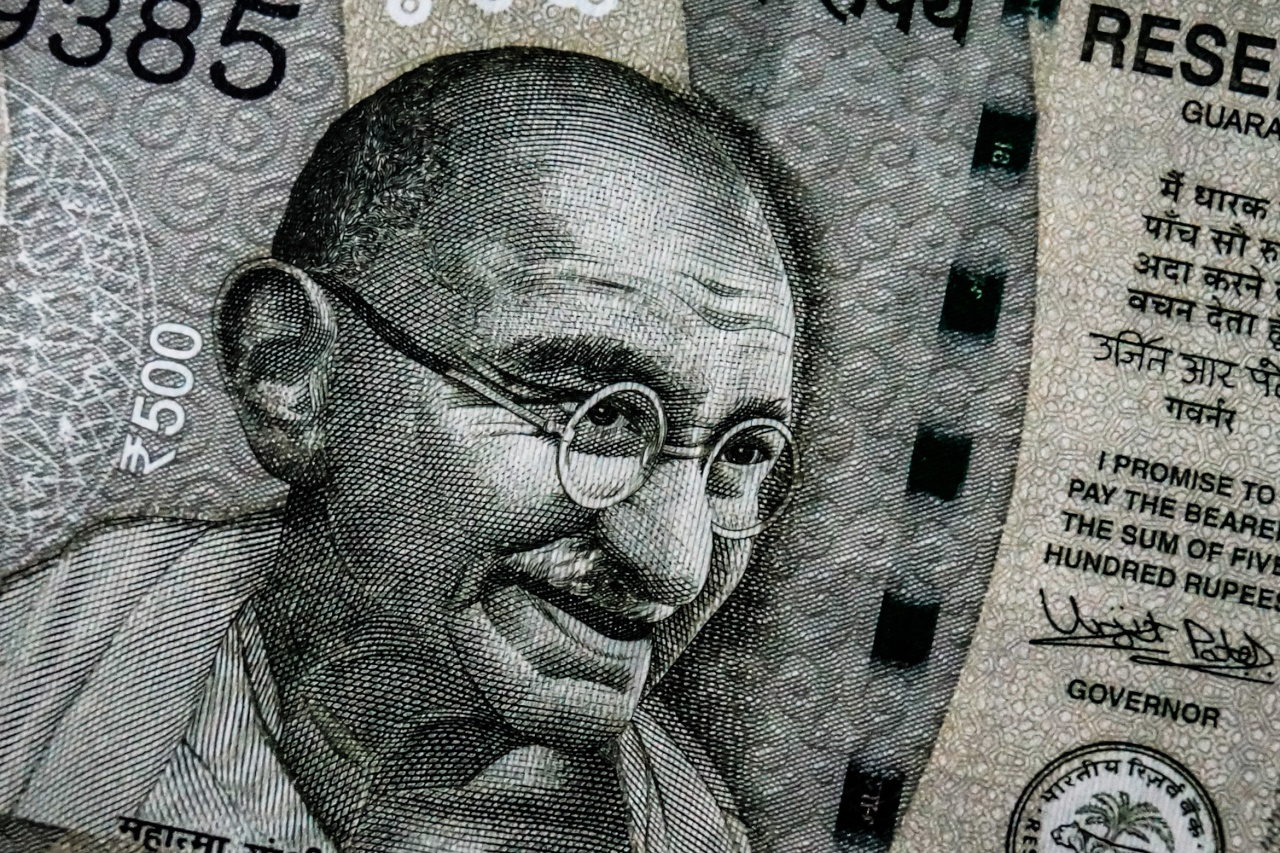
Officially, castes are prohibited by law in India, but changing the caste division of Indian society, which has been cultivated in the minds of Indians for centuries, is not so easy.
Point of view: how the British changed India's caste system
Scan the QR code to open on your mobile device
2024-02-24 07:32:10Hoe Wette in Kazakstan aanvaar word
The problem is acute and requires an immediate solution
There is no planning, no responsibility, no punishment, no deadlines for decision-making, there is lobbying. As a result, there is a problem that takes time to solve, but it is spent on incomprehensible discussions. It is impossible to find and punish the guilty, because everyone is to blame.

When adopting a law, first of all they think about getting some benefit from its adoption, and not about a mediocre solution to the problem
How laws are passed in Kazakhstan
Scan the QR code to open on your mobile device
2023-09-30 11:58:10Why is science not needed in Russia?
The state has no scientific tasks.
When a country is engaged in the sale of hydrocarbons, why do we need extra mouths in the form of scientists, if the money is already flowing.

Science is expensive, but near-science brings noticeably more money.
Why does no one need scientists in Russia?
Scan the QR code to open on your mobile device
2023-04-02 14:37:30When will the civil war in Syria end?
In 2025. US to withdraw troops from Syria
At the moment, the Democrats do not want to withdraw troops from Syria. With the advent of a new Republican president, the situation will change.
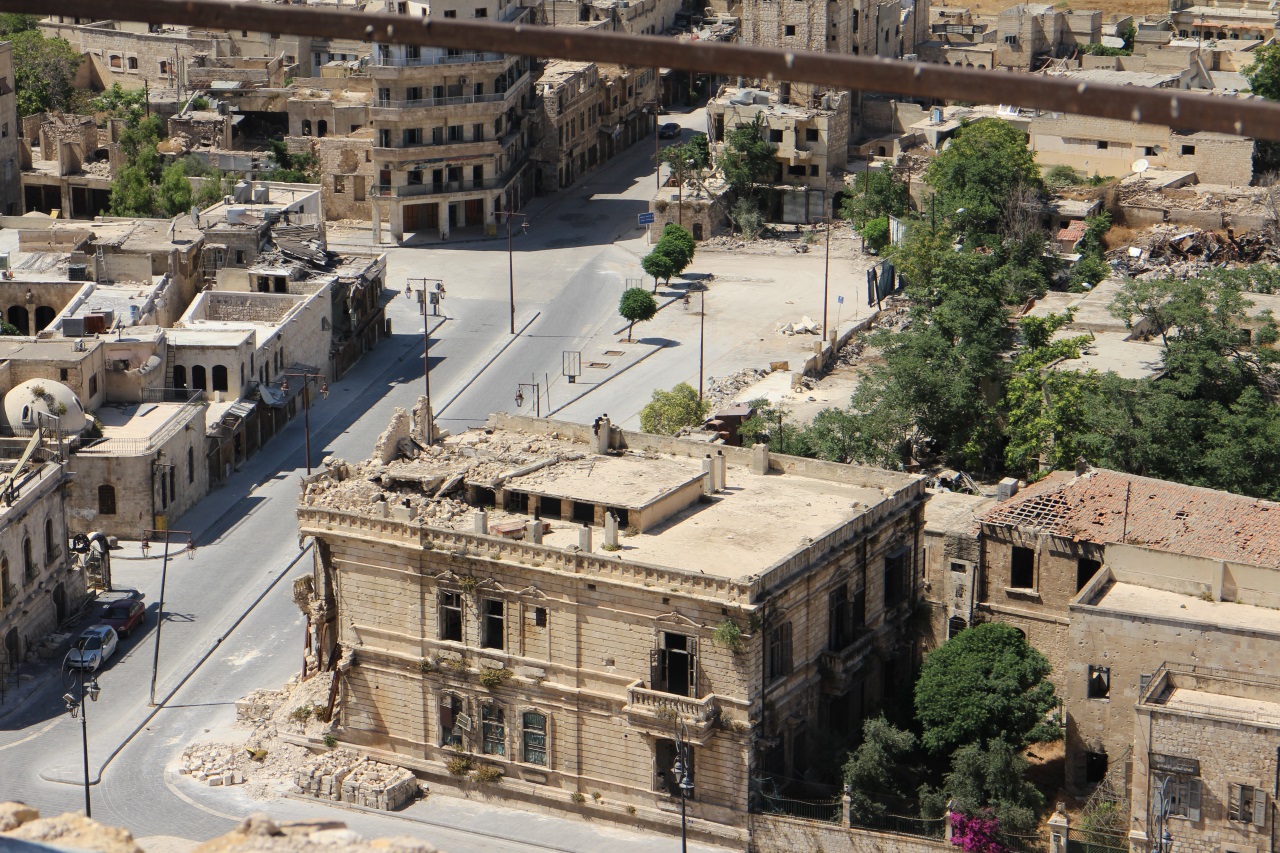
Syria is already starting to restore diplomatic relations with neighboring countries
Why is the US still in Syria?
Scan the QR code to open on your mobile device

Events
Look at the projections for the next 100 years

AI Advertising
Just enter the link and the artificial intelligence will do the rest

Videos
Search related videos
You can install the AI app from our store.
Scan QR code to get a link to APK file