


 2024-09-24 13:26:57
What is the essence of the UN report on the regulation of artificial intelligence?
Globalists are trying to apply their favorite practice of indirect control of states and establish a monopoly on the regulation of AI
Globalists have realized the danger of AI for themselves. If a country achieves supremacy in AI, the global market, which is currently dominated by Western companies, could change very quickly against them. This issue is especially acute in the context of an economic downturn

The report mentions seven cross-country initiatives on AI governance: the United States, the United Kingdom, Germany, France, Italy, Canada, and Japan. In these countries, it is better not to develop AI. The remaining 118 countries are not yet participating in any of them. Only by not submitting to this initiative can you create the necessary products and services, and not receive ready-made solutions from Western corporations known for predatory practices
UN report on the regulation of artificial intelligence. What it will affect
Scan the QR code to open on your mobile device
2026-01-08 14:48:53Why is artificial intelligence positioned as a threat?
Positioning AI as a threat allows you to increase sales and accelerate the adoption of AI, despite any prohibitions.
If the same phenomenon is presented to a person as a threat or as an opportunity, the threat causes a more intense and energetic reaction. When visionary leaders and technologists notice a disruptive process, they warn of an impending threat: the company may die if the technology brings success to its competitors. The threat must be eliminated: the company must implement the technology itself and allocate resources for its development or purchase.
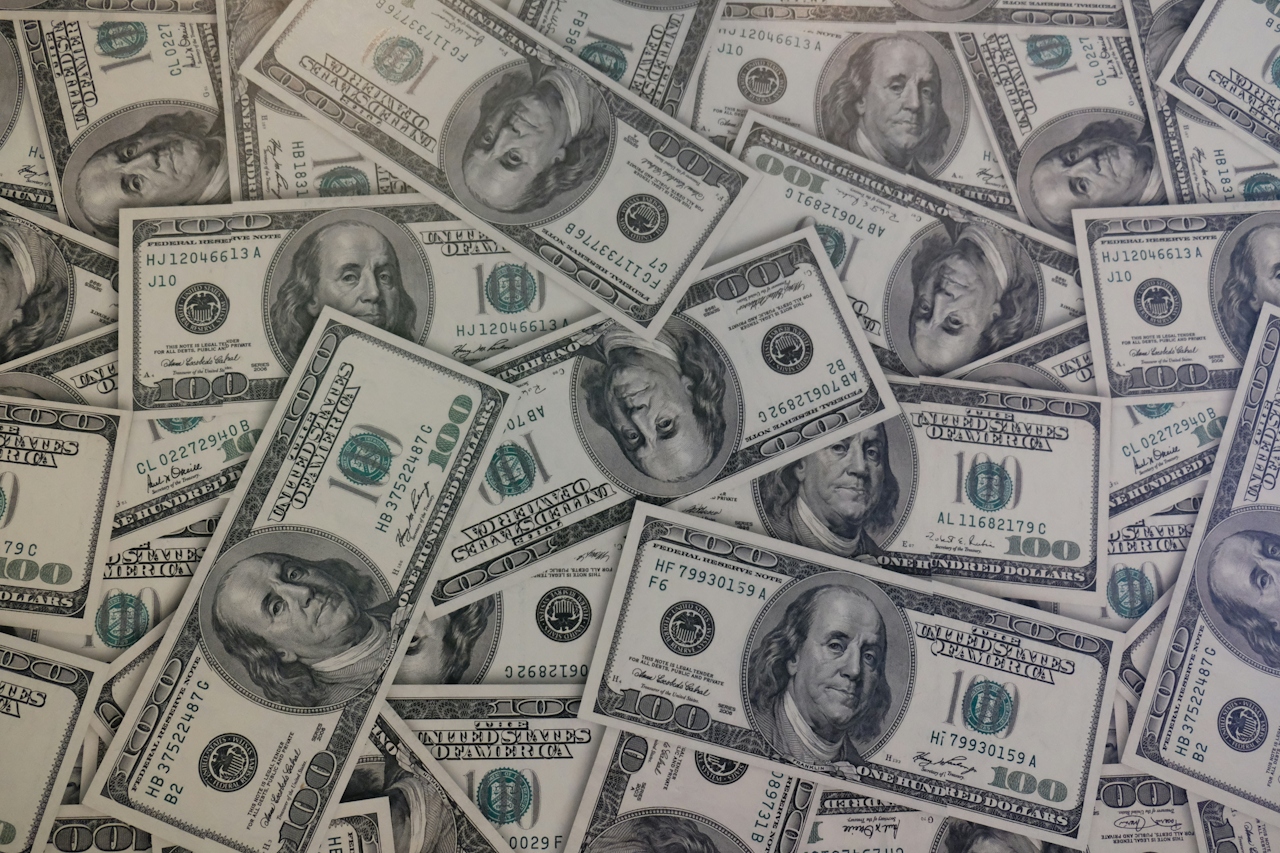
It is necessary to convince top management to take the problem seriously, and for this it is necessary to present innovative technology as a threat in the resource allocation planning process. Then responsibility for the implementation of the project must be transferred to an outside, autonomous organizational unit, which will perceive it solely as an opportunity. This is exactly what marketing departments and the media are doing now, namely positioning AI as a threat and later as a solution.
The Innovator's Solution: Creating and Sustaining Successful Growth
Can Competing Frames Co-exist? The Paradox of Threatened Response
Scan the QR code to open on your mobile device
2025-05-11 16:38:54When will the negotiations between Russia and Ukraine take place and why is Ukraine asking for a 30-day ceasefire?
Negotiations will begin in the spring of 2026, as the US has once again allocated money to Ukraine for military actions.
Ukraine signed an agreement with the USA on rare earth metals, and the USA allocated funds for military actions. Russia declared a three-day ceasefire in honor of Victory Day. Zelensky proposed extending the ceasefire for 30 days. A 30-day ceasefire could be used as a cover for rearmament.

Summer negotiations between the US, Ukraine, and Russia will lead to nothing. Ukraine has the money to continue the war. Russia has also changed the goals of its special military operation, expanding its territorial claims. Achieving these goals will require an increase in the size of the armed forces. A military draft is expected in Russia in the fall, and fierce fighting is anticipated in the winter, with the possibility of sitting at the negotiating table in the spring of 2026, depending on the outcome of the military actions.
Scan the QR code to open on your mobile device
2023-05-21 13:25:47Who is next after Russia?
China
The US wants to freeze the conflict in Ukraine for 10 years and will deal with China. During the election campaign, Trump said that the main enemy of the United States, China and NATO, was only diverting forces, that the United States needed to leave NATO. After Biden, there will be Trump. A new alliance, AUKUS, has been devised to contain China.
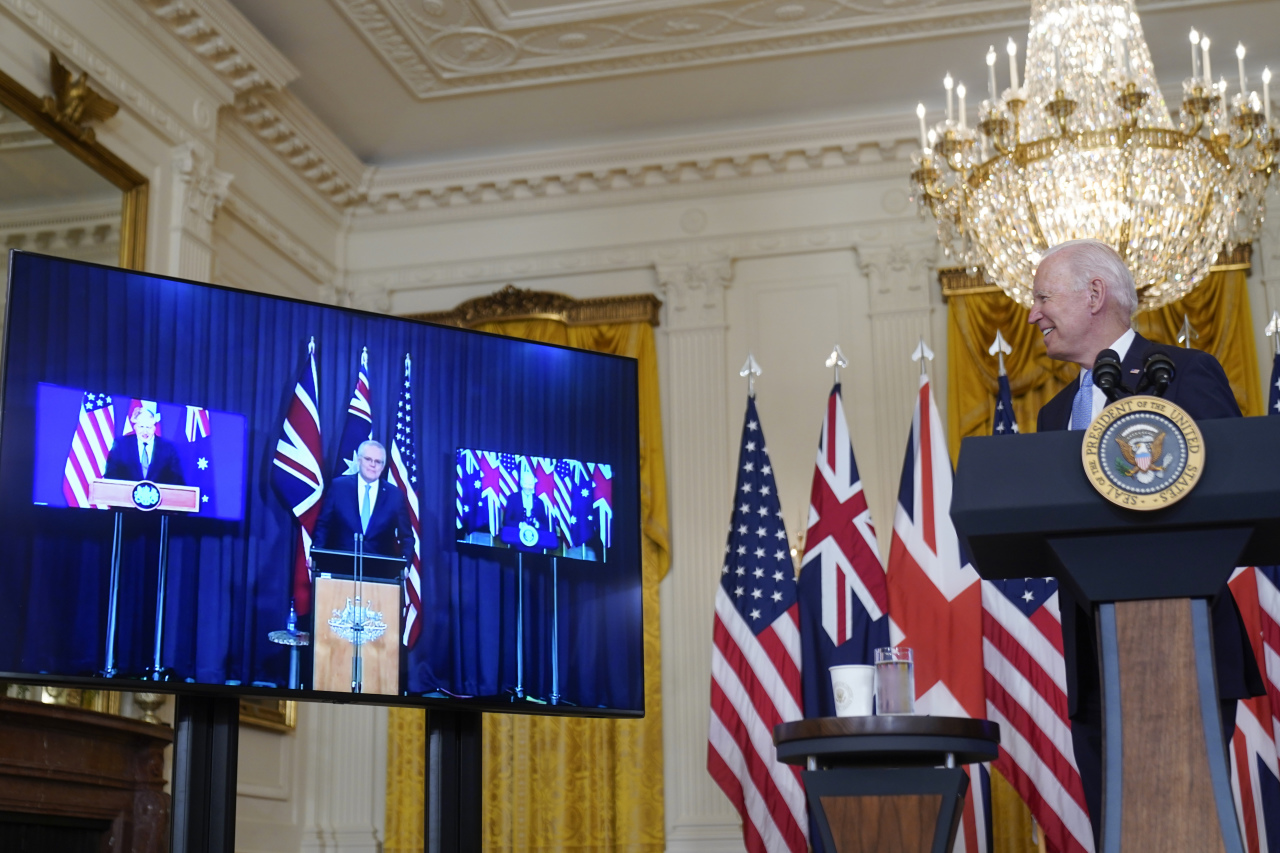
The United States will leave NATO in 2025.
The era of wars. The world after Ukraine. Scenarios for the next conflicts.
Scan the QR code to open on your mobile device

Events
Look at the projections for the next 100 years

AI Advertising
Just enter the link and the artificial intelligence will do the rest

Videos
Search related videos
You can install the AI app from our store.
Scan QR code to get a link to APK file