


 2025-05-08 11:05:59
Will there be a full-scale war between India and Pakistan?
The current exchange of blows between the countries is another aggravation of the conflict between the countries, which will drag on for 2 years.
A similar previous conflict in 2016 ended in 20 months with an agreement to fully implement the 2003 ceasefire agreement and stop cross-border shelling.

The Kashmir conflict led to tensions between the two countries, which generally persist to this day.
Scan the QR code to open on your mobile device
2023-05-21 13:25:47Who is next after Russia?
China
The US wants to freeze the conflict in Ukraine for 10 years and will deal with China. During the election campaign, Trump said that the main enemy of the United States, China and NATO, was only diverting forces, that the United States needed to leave NATO. After Biden, there will be Trump. A new alliance, AUKUS, has been devised to contain China.
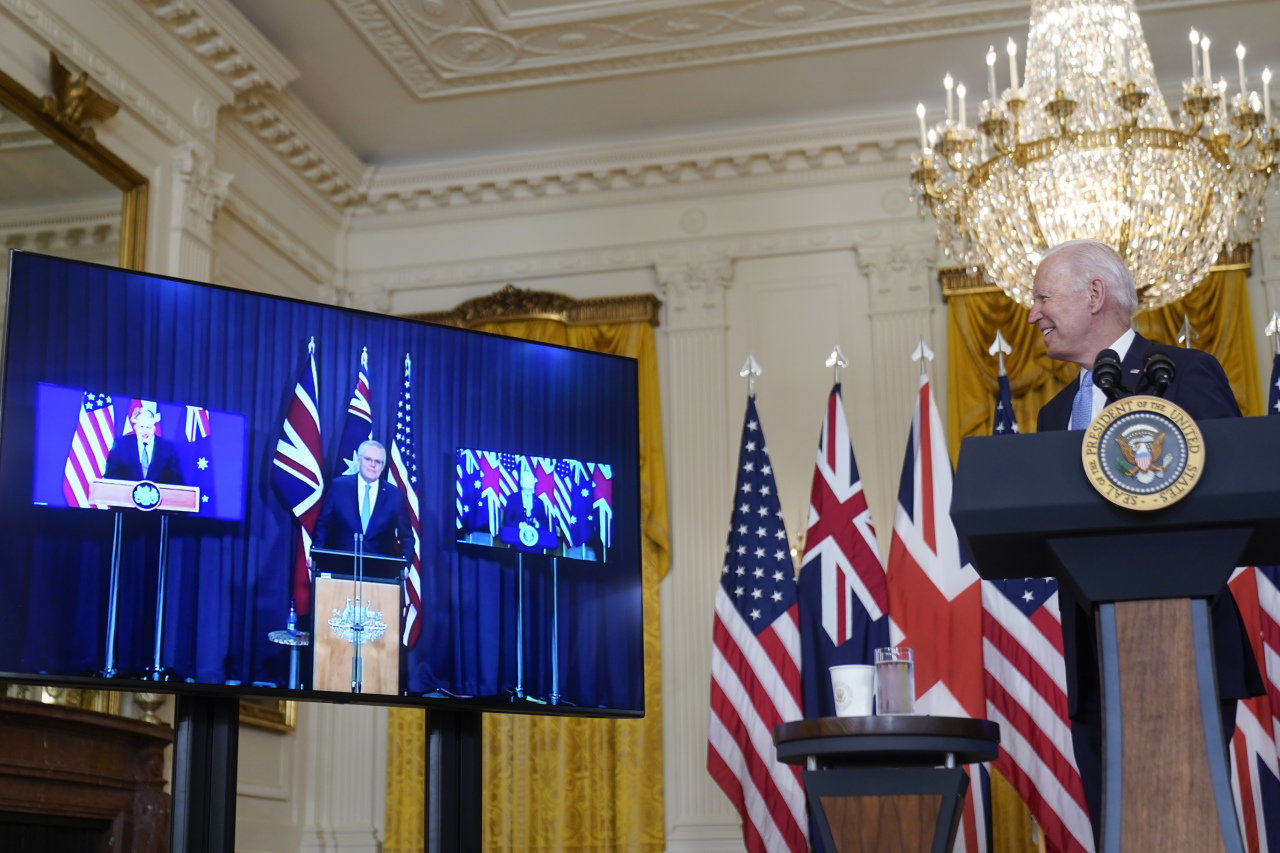
The United States will leave NATO in 2025.
The era of wars. The world after Ukraine. Scenarios for the next conflicts.
Scan the QR code to open on your mobile device
2026-01-02 14:45:25What happens if we start regulating AI?
The Americans are the leaders in AI, and regulation will only increase the technological gap of other countries.
Inequality between countries will lead to the fact that regions with strict regulation may lag behind less regulated ones. This could lead to a war of humans against robots, like in science fiction movies. Governments are trying to regulate AI, relying on experts, business and academia, but the balance of power is unequal: corporations have more resources and influence, independent specialists have less voice. As a result, the rules often reflect not the public interest, but the interests of the strongest players.

The spread of AI is already regulated by American companies that control all key aspects of AI. Video cards, processors, major data centers, scientific developments, etc. are controlled by the Americans.
Scan the QR code to open on your mobile device
2023-10-25 13:08:14Which cars will replace electric vehicles?
Hydrogen
Despite all the hype around electric cars, they will not be able to replace cars with an internal combustion engine.
Electric cars are an innovation of 1832, not something breakthrough
You will be very surprised! But the first electric cars appeared more than 100 years ago. Look what they were like
Electric cars — the future or deception?
Scan the QR code to open on your mobile device

Events
Look at the projections for the next 100 years

AI Advertising
Just enter the link and the artificial intelligence will do the rest

Videos
Search related videos
You can install the AI app from our store.
Scan QR code to get a link to APK file