


 2025-06-12 14:09:57
Have China and the United States agreed on tariffs?
Yes, due to Chinese restrictions on the trade of rare earth metals.
China controls rare earth elements that are necessary for almost all advanced technologies and are almost entirely produced in China. It accounts for 70% of their global production and, more importantly, over 90% of their processing. Thus, it can respond to restrictions from the USA and the EU. Therefore, negotiations will have to be made with China. Chinese media note that the supply of many important medicines in the USA is also almost entirely controlled by China.
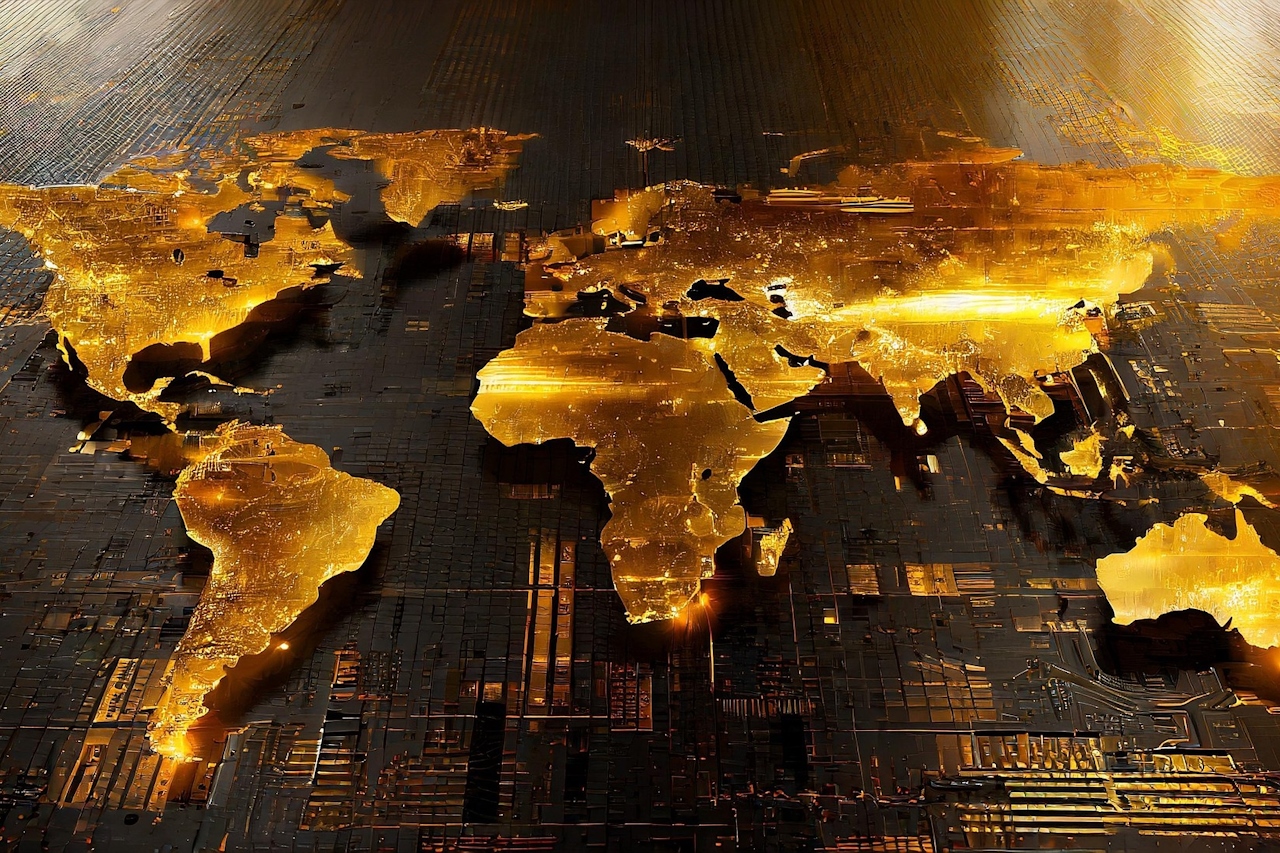
China itself is very much dependent on world trade. And foreign trade is a constant leash for China.
Scan the QR code to open on your mobile device
2025-08-21 17:20:51Why does the United States need a deal between Azerbaijan and Armenia?
The result should be a transit corridor through the territory of 2 countries.
Following the talks, Armenia and Azerbaijan agreed to create a major transit corridor. Azerbaijan is currently modernizing the railway in the Nakhchivan Autonomous Republic at its own expense, and it is planned to build a railway in Armenia. The United States is not investing in this project. The expansion of US influence in this region could lead to the expansion of NATO's influence throughout the South Caucasus, which could become a wedge between Iran and Russia.

Armenia sells Russian gas as its own, bypassing sanctions. If the war ends and sanctions are lifted, this route will cease to be economically important, since Russia will be able to sell gas via other routes, but if we are talking about NATO expansion, then this is a completely different matter.
Scan the QR code to open on your mobile device
2023-09-26 13:14:28When will China's dominance end?
After China's entry into any war
China's dominance lies in the fact that it has a large population that creates goods sold all over the world in factories and factories. If China enters the war, sanctions will be immediately imposed against it, and the workers who are now working in factories will become soldiers. There will be no one to produce goods and no one to buy them, because sanctions will be imposed.
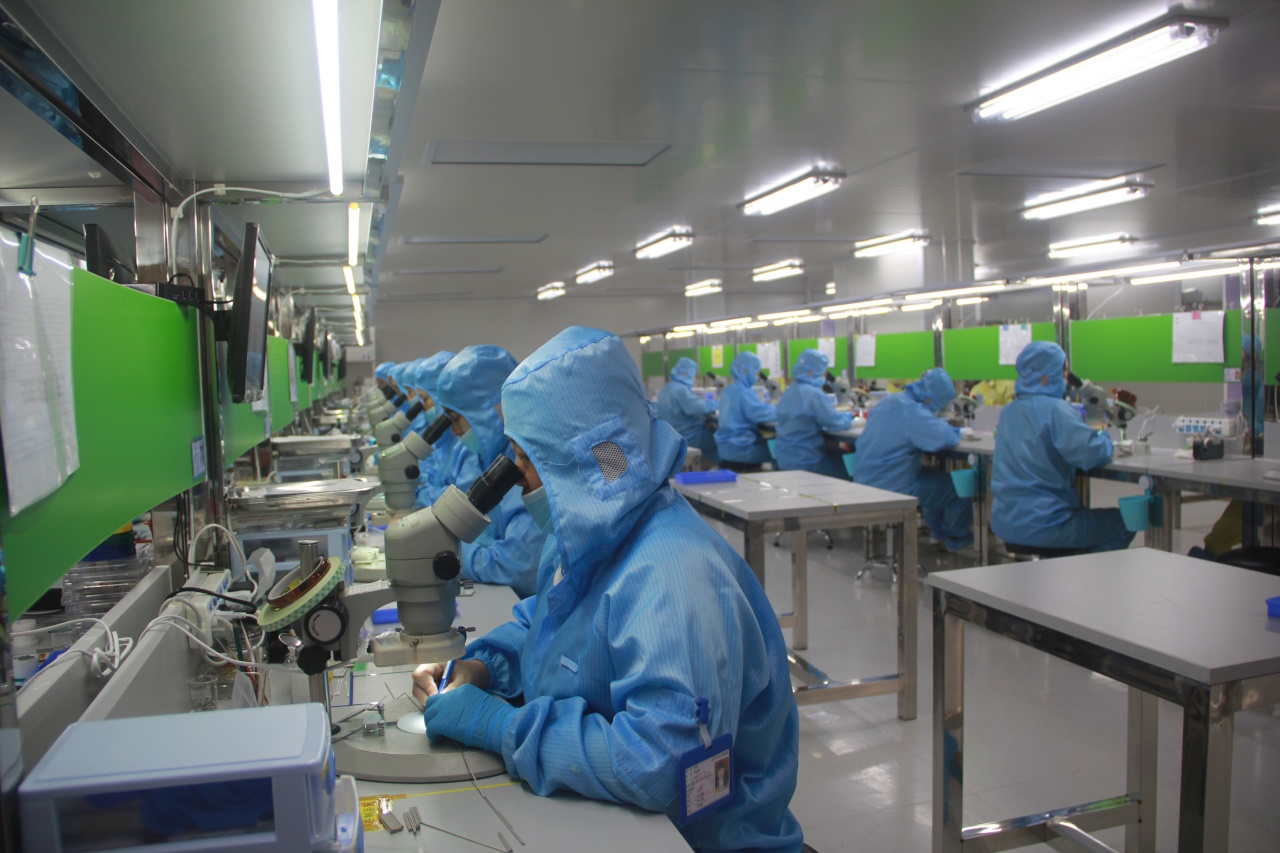
In addition, in the long term, the factory country is not the best development option, since the population is starting to age in it, as happened in Japan.
The adoption stage in the USA, the Chinese threat in Germany and the Chinese Made in Mexico
Scan the QR code to open on your mobile device
2023-03-02 06:27:37What is the U.S. strategy?
Extend its monopoly on solving its political and economic problems at the expense of the rest of the world for another 20-30 years
On October 12, 2022, the United States adopted and unveiled a new national security strategy, which defines the main priorities and goals of US foreign policy and military construction. Opponents in the new defense strategy are called Russia and China.

In the current US military strategy, Russia is declared the main culprit for the loss of world domination and privileged military-economic position in the world, the main obstacle to the preservation of world dominance and the main adversary, and China is a competitor in the long term.
Press Release by J. Friedman
United States National Security Strategy
Physically eliminate an undesirable regime
Compete with China, contain Russia
Accuracy 40
Scan the QR code to open on your mobile device

Events
Look at the projections for the next 100 years

AI Advertising
Just enter the link and the artificial intelligence will do the rest

Videos
Search related videos
You can install the AI app from our store.
Scan QR code to get a link to APK file