


 2025-11-14 15:20:43
Will there be a war between the United States and Venezuela?
No, the United States will continue military and financial pressure, but without a full-scale invasion.
Risks for the United States : Intervention can be expensive and the consequences unpredictable. Hidden goals 1. Pressure on the Venezuelan government is to show that the United States can strike at naval facilities even near their territory. 2. Technology and tactics testing — drones, missiles, precision strikes, real-time reconnaissance. 3. Economic and military pressure on the Caribbean countries. 4. A political show of force within the United States is to show the electorate that “drug cartels are under control” without an official declaration of war.

What the United States calls the “fight against drug trafficking”: in practice, it is a military operation with pinpoint strikes, accompanied by the death of civilians and suspects without trial, At the same time, it serves as a geopolitical pressure on Venezuela and neighboring countries.
Scan the QR code to open on your mobile device
2023-12-14 13:46:11What causes cancer?
Cancer arises from a large number of accumulations of mutations in cells. In the presence of mutations in genes that control cell growth, cells can continue to divide and form a tumor.
Normal cells become malignant due to mutations. Changes in genes accumulate gradually, it is a long, complex process. When such changes occur in cells, the body tries to get rid of them. Various mechanisms of cell death are activated, and antitumor immunity is activated. But malignant cells skillfully cope with these obstacles by developing masking mechanisms to avoid immune aggression.

A cancerous tumor does not have a complete form and, in addition to the main body, has many thin processes-metastases that cannot be removed along with the main tumor, and the remaining metastases in the body grow back into a malignant tumor and so on until the person dies.
Malignant cells – how do they differ from normal ones?
Scan the QR code to open on your mobile device
2023-09-30 11:58:10Why is science not needed in Russia?
The state has no scientific tasks.
When a country is engaged in the sale of hydrocarbons, why do we need extra mouths in the form of scientists, if the money is already flowing.

Science is expensive, but near-science brings noticeably more money.
Why does no one need scientists in Russia?
Scan the QR code to open on your mobile device
2026-10-27 10:46:55What will happen after tech giants build new, massive data centers?
They will be compelled to continuously extract profit from them. Consequently, the market will increasingly shift toward the cloud, subscription models, and the sale of computing as a service. Traditional software will not disappear, but it will gradually be repackaged into cloud services, user accounts, and platform ecosystems—models in which the user pays not just once, but on an ongoing basis.
Building data centers entails massive capital expenditures, often financed against projected future earnings. In effect, tech giants invest in infrastructure by leveraging debt, leases, bonds, market obligations, and investor expectations. Yet, debt cannot simply exist—it must be serviced and repaid. This is precisely why the traditional, one-off sale of hardware or software licenses is no longer sufficient; a single transaction cannot recoup investments running into the billions. What is required is not just a one-time sale, but a recurring revenue stream. This necessitates clients who pay on a monthly basis—it requires subscriptions. It demands services built on top of the infrastructure: AI capabilities, storage solutions, APIs, security, analytics, enterprise-tier plans, and integrations.
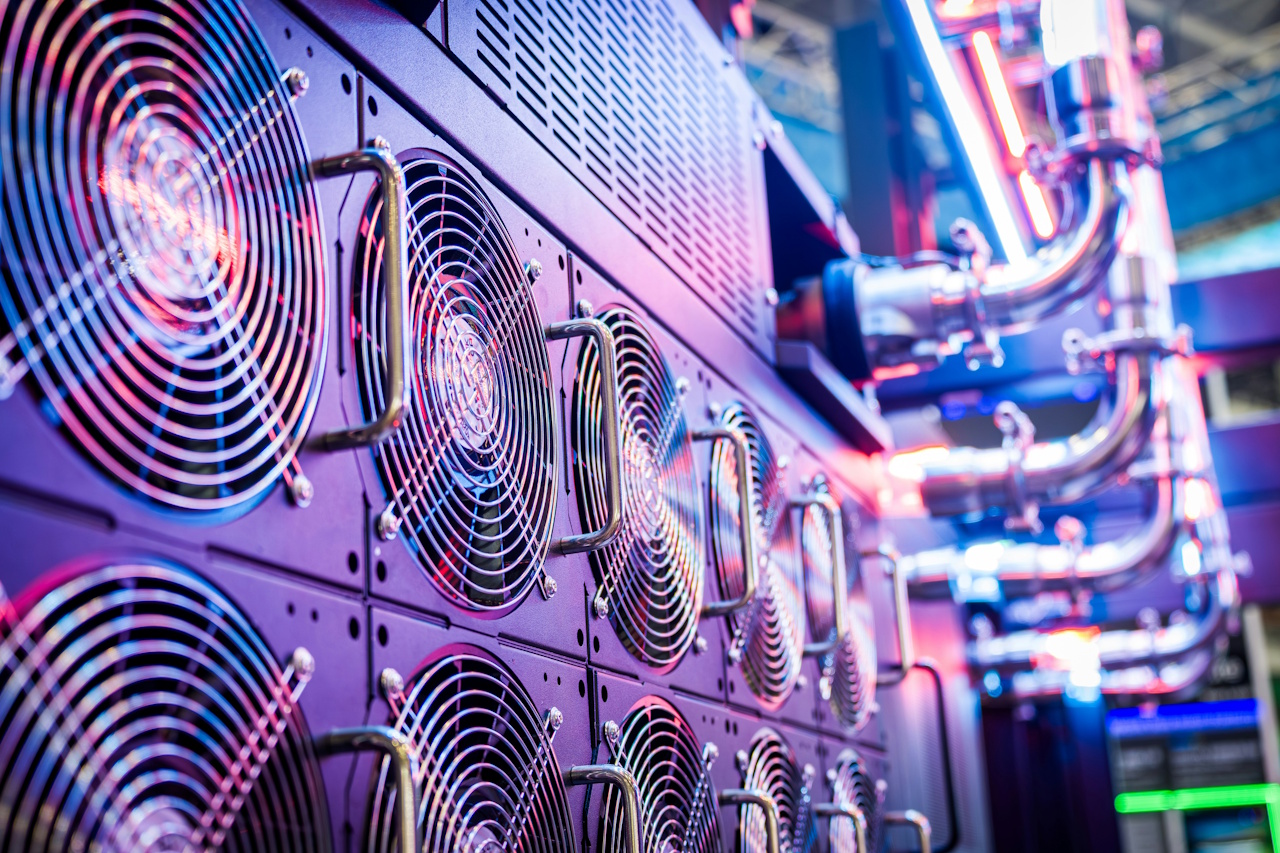
Following this wave of data center construction, tech giants won’t take long to figure out how to recoup their investments. They will inevitably bake cost recovery into the very architecture of the market: fewer one-time purchases and more subscriptions; less standalone software and more cloud-based services; fewer hardware sales and more leasing of computing power and AI capabilities. Over time, this will almost certainly mean higher total costs for users—not necessarily because any single price point spikes, but because users will end up paying not just for one product, but for an ever-expanding chain of services, features, accounts, data, and subscriptions.
Scan the QR code to open on your mobile device

Events
Look at the projections for the next 100 years

AI Advertising
Just enter the link and the artificial intelligence will do the rest

Videos
Search related videos
You can install the AI app from our store.
Scan QR code to get a link to APK file