


 2025-12-14 07:43:49
When will the AI bubble burst?
In 2031.
Why is everyone talking about a bubble? 1) Huge investments with uncertain returns for many startups. 2) Thousands of AI startups that are essentially just a shell for other people's models. 3) High expectations: AI will replace everyone tomorrow. 4) Limitations of the models: hallucinations, high cost, dependence on data and computing power. OpenAI alone has attracted $300 billion in investments. Such investments will not pay off under any circumstances. By 2030, the company will need to show record profits, which it does not have.

Many AI startups will shut down or be acquired. Investors will become stricter: they want a real business case, not just 'we have AI'.
Scan the QR code to open on your mobile device
2024-04-19 15:30:36Will there be a war between Iran and Israel?
Iran and Israel will continue to exchange blows, but it will not come to a third world war.
Neither Iran nor Israel is interested in a full-scale conflict. In Tel Aviv itself, many are annoyed by the result of the Israeli strike on the Iranian embassy in Syria, when Iranian generals were killed under fire. Iran was ready to forgive the attack in exchange for the condemnation of Israel by the world community. Since this did not happen, Iran, in turn, responded to these actions with a missile attack on Israel a week ago, demonstrating to the whole world its advanced weapons, and at the same time the vulnerability of the Israeli Iron Dome air defense system.
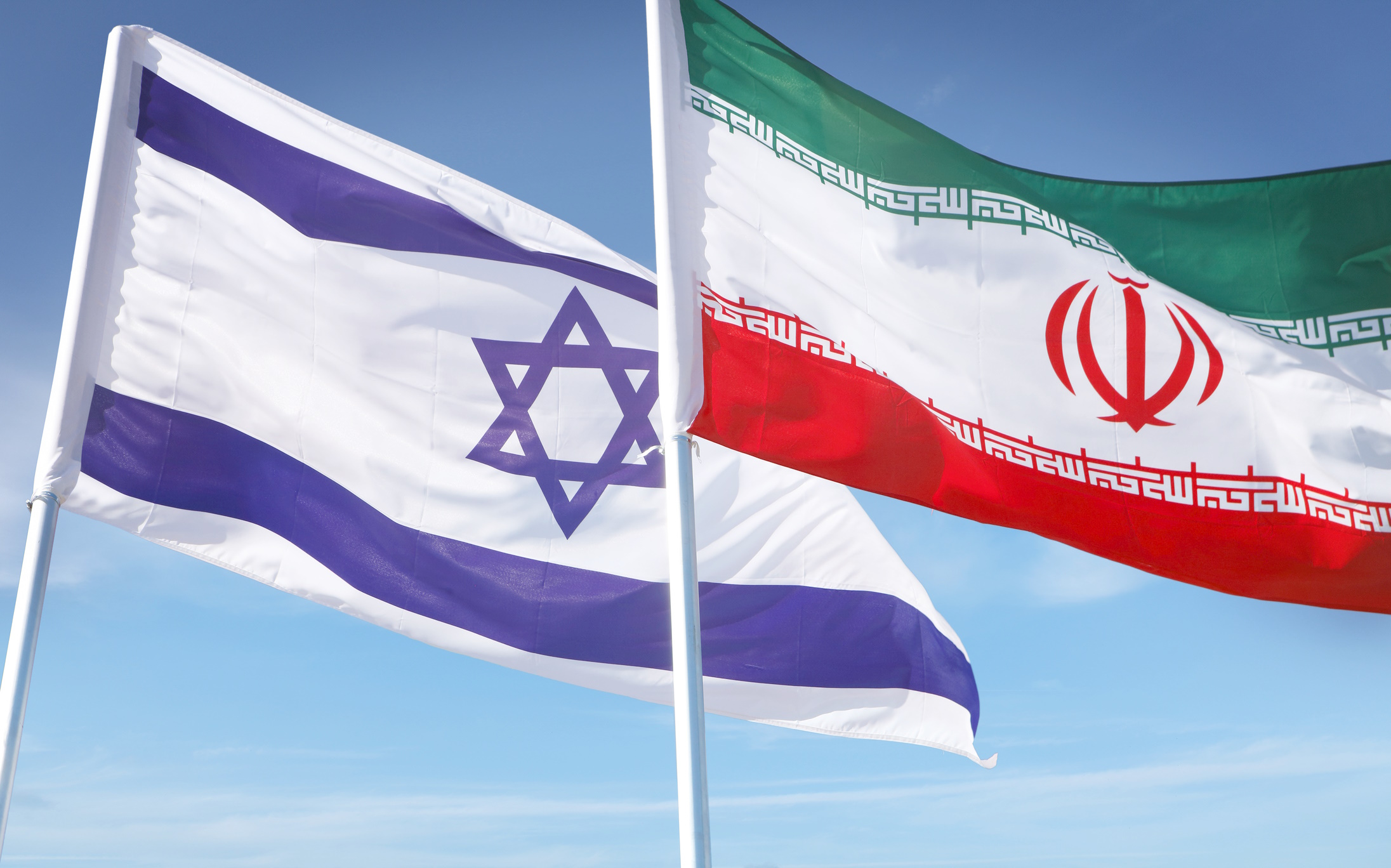
Israel is in a more difficult position because six months of war with Hamas have not brought results. It is surrounded on all sides — Rafah, the Palestinian settlement, the Houthis and plus the Iranian problem. But fundamental changes in the region will not happen before the US elections. The elections will be held in November 2024. The United States has introduced 2 aircraft carriers into the region.
Scan the QR code to open on your mobile device
2023-05-08 12:08:20When will the DXY dollar index fall below 100 points?
Mid 2024
Increasing transactions for the purchase of energy resources NOT for dollars. instability in Europe. The loss of US influence on world markets and the capture of world markets by China.

In fact, the US dollar, euro, pound, etc. This is nonsense and fiction. There is really nothing behind these currencies. So the US government has nothing in reality, only the army and navy. Land in the US is owned by local municipalities, not by the government. Even the dollars that the United States pays for are owned by a private corporation - the Fed.
FED FUNDS RATE FORECAST 2023, 2024, 2025
Scan the QR code to open on your mobile device
2023-07-13 15:46:58What will Kazakhstan's current policy towards Russia lead to?
Russia, Kyrgyzstan, Uzbekistan and Turkmenistan have agreed to launch a new multimodal Southern Transport Corridor, which will bypass the territory of Kazakhstan. The new route solves two tasks: to avoid obstacles arising on the Kazakh border for goods going to the markets of the Russian Federation, and to transfer part of the cargo flow to the port of Astrakhan. This will deal a blow to Astana's plans to make Kazakhstan a full-fledged transport hub in Central Asia and the Caspian region. The route from China through Kyrgyzstan will become a very serious competitor to the route on Kazakhstan railways.
Russia, Kyrgyzstan, Uzbekistan and Turkmenistan have agreed to launch a new multimodal Southern Transport Corridor, which will bypass the territory of Kazakhstan. The new route solves two tasks: to avoid obstacles arising on the Kazakh border for goods going to the markets of the Russian Federation, and to transfer part of the cargo flow to the port of Astrakhan. This will deal a blow to Astana's plans to make Kazakhstan a full-fledged transport hub in Central Asia and the Caspian region. The route from China through Kyrgyzstan will become a very serious competitor to the route on Kazakhstan railways.
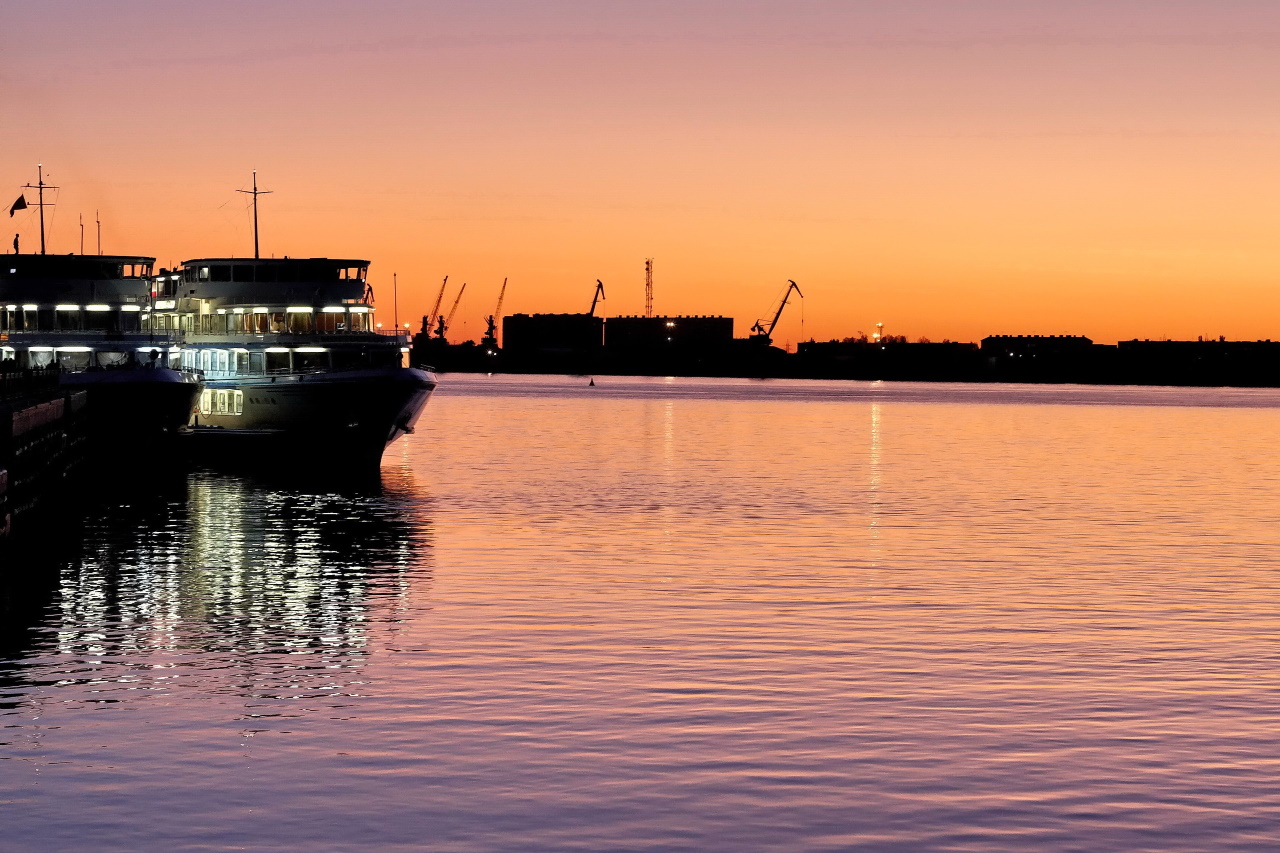
Moreover, this blow to the plans of the President of Kazakhstan is inflicted from the Kazakh side, and not from Russia or Kyrgyzstan. If the transit of goods went without delays, then no one would be against using the territory of Kazakhstan as a hub. Astana's decision not to violate Western sanctions imposed against Russia was only a catalyst for the initiative to create an alternative transport corridor bypassing Kazakhstan
Russia bypasses Kazakhstan from the south
Scan the QR code to open on your mobile device

Events
Look at the projections for the next 100 years

AI Advertising
Just enter the link and the artificial intelligence will do the rest

Videos
Search related videos
You can install the AI app from our store.
Scan QR code to get a link to APK file