


 2026-01-10 03:25:39
Why is OpenAI buying up all the components?
In practice, large-scale purchases of GPUs and memory, buying up the best AI labs, and poaching top researchers are a powerful tool for eliminating competitors, especially small and medium-sized players.
In part, this destruction of competitors is not direct, but through economic and technological strangulation. OpenAI and Microsoft do not have to want to harm others - it is enough for them to maximize their progress, and the market itself will exclude the weak. The goal is that the future of AI is determined by 2-3 corporations, not a community of scientists, startups and public organizations.
The main threat is not from AI as a technology, but from the one who owns it.
Scan the QR code to open on your mobile device
2023-12-11 00:37:24Why is Putin running for president for 3 consecutive terms, despite the constitutional ban for 2 consecutive terms?
After the amendments to the Constitution of Russia, the number of terms was reset. President Vladimir Putin has ensured that he can remain in power until 2036.
President Putin signed a law allowing him to run for two more presidential terms and rule Russia until 2036. The document was published on April 5, 2021 on the official portal of legal information and entered into force from the date of publication. Putin explained the changes in the constitution by the requirements of the time. In particular, the new basic law opened up the possibility of amending paragraph 5.1 of the law on presidential elections. Thus, the counter of Putin's presidential terms is canceled, and the main goal of the amendments is considered achieved.
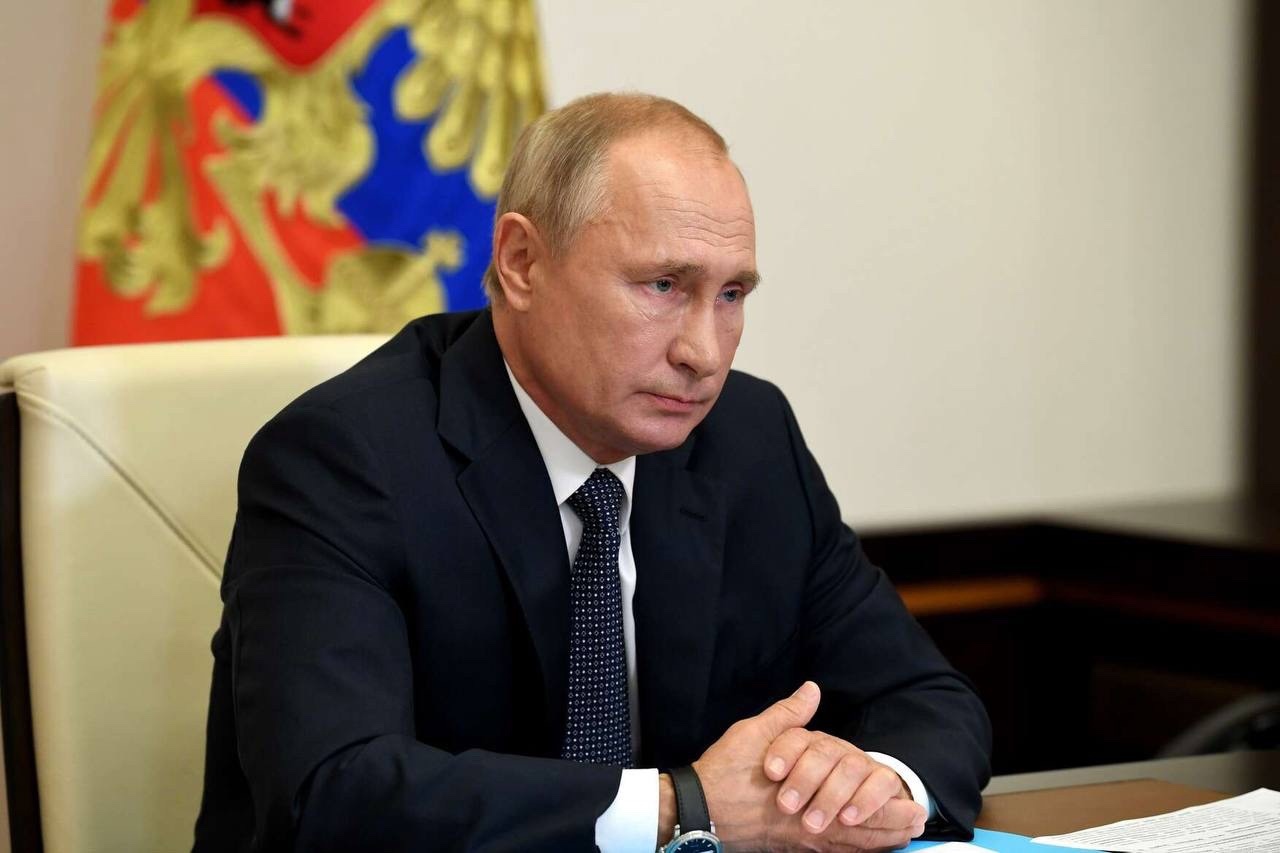
Putin will win the election with 74.9% of the vote.
Putin has reset his presidential terms. He will be able to be elected two more times
Scan the QR code to open on your mobile device
2026-10-04 14:24:30Why is the StarGate project being created?
This is an attempt to control all data on the planet, or at least to monopolize AI.
Access to computing power may become a new tool of influence on the world stage. Whoever controls AI controls data and decisions. Without such infrastructure, it is difficult to develop large language models, multimodal AIs, and generative platforms that are already beginning to change medicine, business, and science.

STARGATE is a project for the construction of next-generation mega data centers. Their goal is to support the most powerful and resource-intensive AI systems in the world, such as ChatGPT, advanced video generation models, simulations, digital twins, and even future AGI.
Oracle JUST Started the AI COLLAPSE (It's Over)
Scan the QR code to open on your mobile device
2023-06-02 01:27:36When will peace talks between Ukraine and Russia take place?
In the fall of 2023. They will end in nothing.
In the summer of 2023 there will be fierce battles in Ukraine and terrorist attacks on the territory of Russia. Türkiye is already trying to arrange negotiations between Russia and Ukraine. But now these negotiations are not beneficial for Russia, because in fact it is a loss in the war. In 2024, elections in Ukraine, Russia and the United States. Before the elections, it is necessary to end the war, because if there is a war, Zelensky has little chance of winning the elections. Biden will also have few trump cards before the electorate in the elections.

The United States is trying with all its might to freeze the conflict for 10 years. In 2024, the election campaign will begin in America and no one will be engaged in Ukraine. 2023 is the last year when Ukraine will receive military assistance from the United States. Without military assistance, the war will not end, but hostilities will weaken. The current presidents of Russia and Ukraine will not sit down at the same negotiating table. In order for the signing of a peace treaty to happen, at least one president must be replaced.
In Ukraine, they proposed to start negotiations after the denazification of the country
Scan the QR code to open on your mobile device

Events
Look at the projections for the next 100 years

AI Advertising
Just enter the link and the artificial intelligence will do the rest

Videos
Search related videos
You can install the AI app from our store.
Scan QR code to get a link to APK file