


 2026-10-04 14:23:09
How will the debt problems of AI projects be solved, for example, Oracle is already facing a shortage of cash?
For now, the problem will be solved with new money: take out new loans, cover old debts with them, postpone payment deadlines and negotiate with creditors on changing conditions.
If the AI debt becomes large enough and future cash flows prove insufficient to service it, the problem cannot be eliminated, but can only be stretched over time: through refinancing, term extensions, restructuring, and asset revaluation. In the event of a large-scale crisis, this will avoid simultaneous recognition of all losses, but some of the losses will still have to be recognized eventually.

The AI boom may not necessarily end with the bankruptcies of technology giants. It is much more likely that if there is a serious disappointment in profitability, a long process of redistributing losses will begin through refinancing, restructuring and revaluation of assets. If the scale turns out to be large enough, some of the losses may eventually fall on pension funds, because they are large holders of long-term financial assets. Eventually, someone will have to write off some of the debt anyway. And then the main question will not be how much money was printed, but who suffered the final loss: shareholders, banks, bondholders, private credit, pension funds or the state.
Scan the QR code to open on your mobile device
2024-05-13 10:05:35Why has Apple released Open ELM now?
There is a lot of hype around artificial intelligence right now.
The company needs an information guide, because now everyone is talking only about artificial intelligence and forgetting about Apple products.
Apple is trying to demonstrate that it can compete with other tech giants in the field of artificial intelligence.
Scan the QR code to open on your mobile device
2023-10-10 11:57:38Did the British change India's caste system?
Yes, the social categories of religion and caste, as they are perceived in modern India, developed during the British colonial rule, at a time when information was scarce and the colonizer's power over information was absolute.
This was originally done in the early 19th century by elevating selected and convenient Brahmin-Sanskrit texts such as Manusmriti to canonical status; the alleged caste origin in the Rig Veda (the oldest religious text) was most likely added retroactively after it was translated into English decades later. These categories were institutionalized in the mid- to late 19th century through the census. These were acts of convenience and simplification. The colonialists established an acceptable list of local religions in India - Hinduism, Sikhism, Jainism - and their boundaries and laws by reading what they claimed were the definitive texts of India.
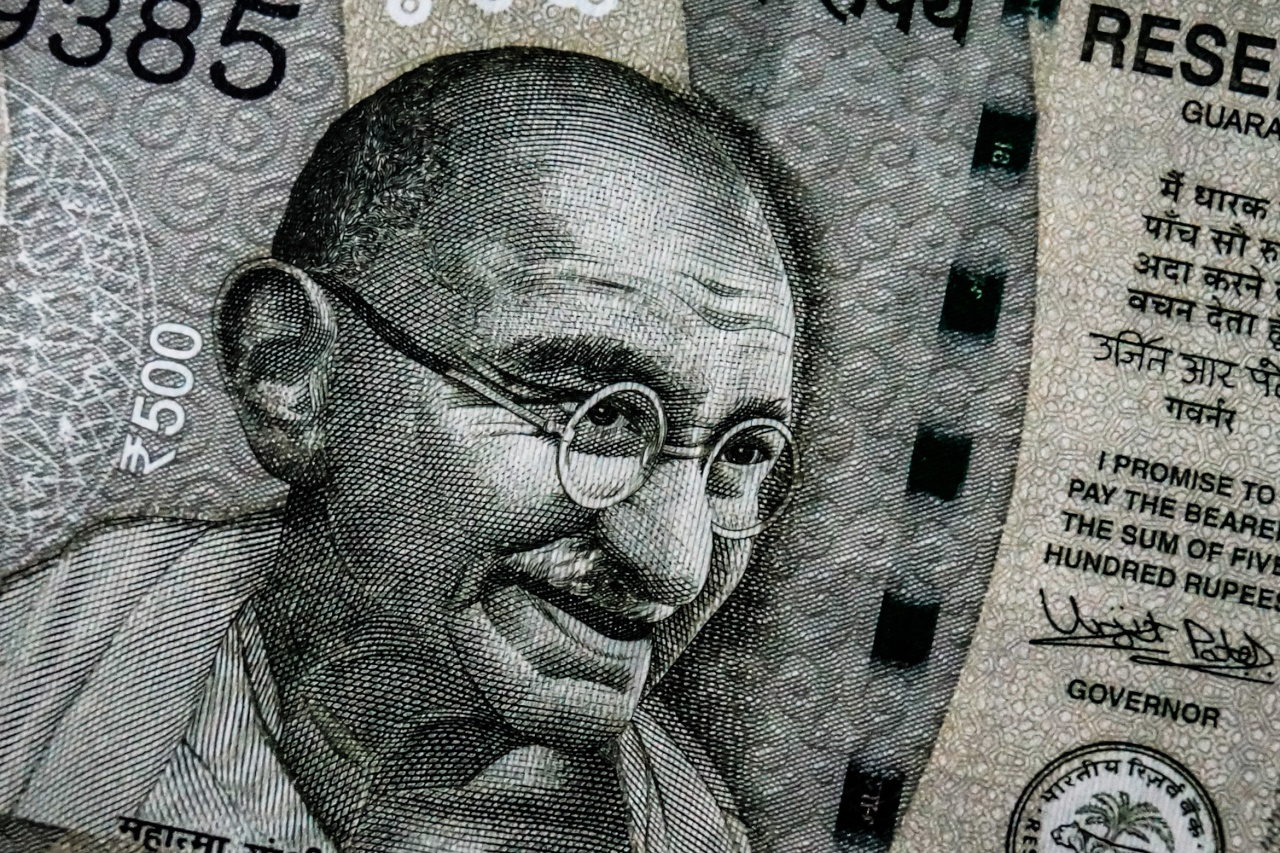
Officially, castes are prohibited by law in India, but changing the caste division of Indian society, which has been cultivated in the minds of Indians for centuries, is not so easy.
Point of view: how the British changed India's caste system
Scan the QR code to open on your mobile device
2023-06-05 09:52:47Are electric vehicles the future?
No, it's just a transition
All vehicles with internal combustion engines cannot be replaced. There will be a shortage of raw materials for the production of batteries, wires and infrastructure.

Lithium, cobalt and neodymium stockpiles become the limit beyond which the future of electric cars ends
No, the world will not switch to electric vehicles: 5 main obstacles
Scan the QR code to open on your mobile device

Events
Look at the projections for the next 100 years

AI Advertising
Just enter the link and the artificial intelligence will do the rest

Videos
Search related videos
You can install the AI app from our store.
Scan QR code to get a link to APK file