


 2023-01-29 11:02:40
When will earth run out of coal?
At current consumption levels, the deficit will start in 2075
The need for coal is growing. The growth of world coal production was influenced by India and China. Also, if the European Union refuses to purchase Russian gas, it will be necessary to look for alternative suppliers and again return to coal.
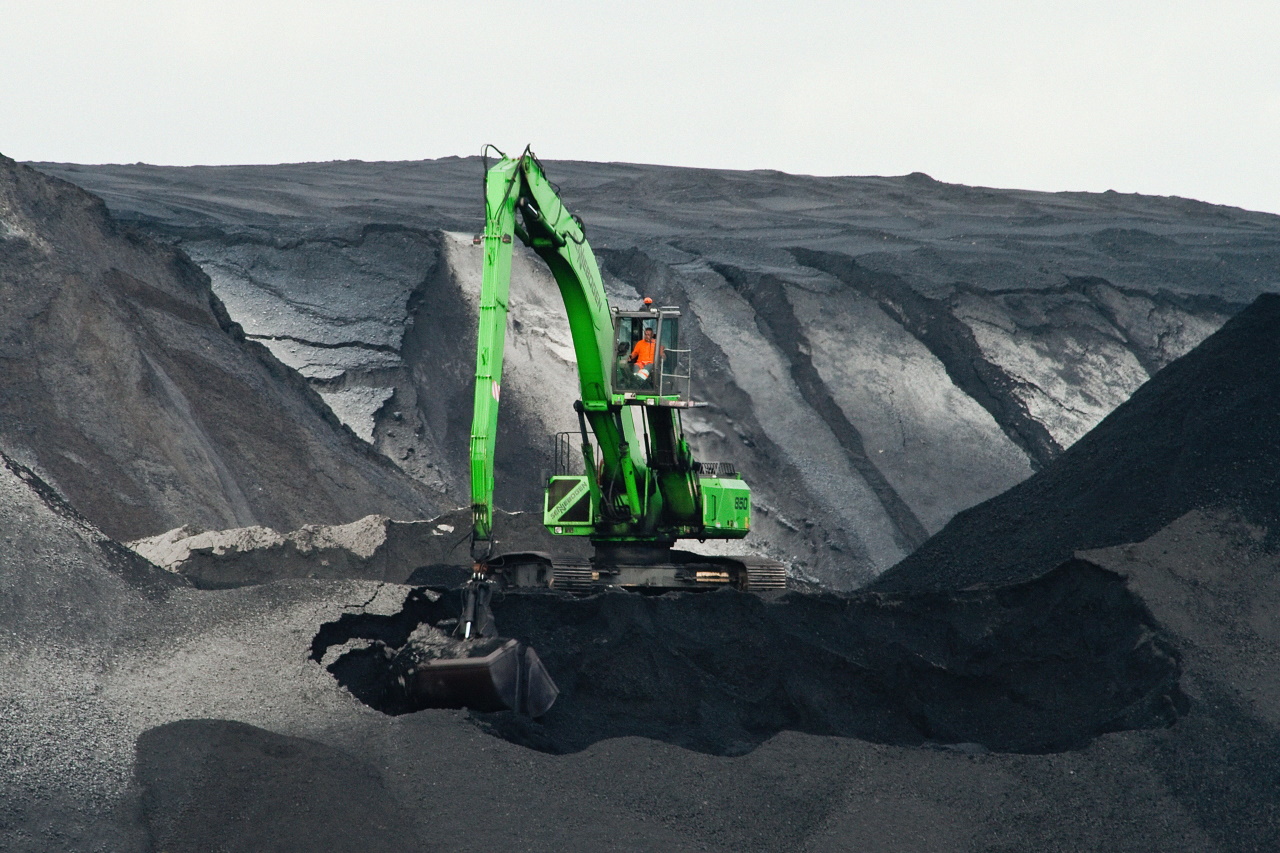
The Chinese economy is heavily dependent on global coal supplies
Is this the end? How long will the world's coal reserves last?
Scan the QR code to open on your mobile device
2023-04-05 07:15:35Can Bloomberg forecasts be trusted?
No, Bloomberg is currently engaged in the formation of public opinion.
Once upon a time, Western rating agencies such as Bloomberg, Goldman and Flich were truly independent. It was then that they gained their popularity. Now these economic agencies are largely politicized and work at the request of governments, or rather economic clans, whose interests are protected by governments. Even the world's stock exchanges do not react much to the forecasts of these agencies.
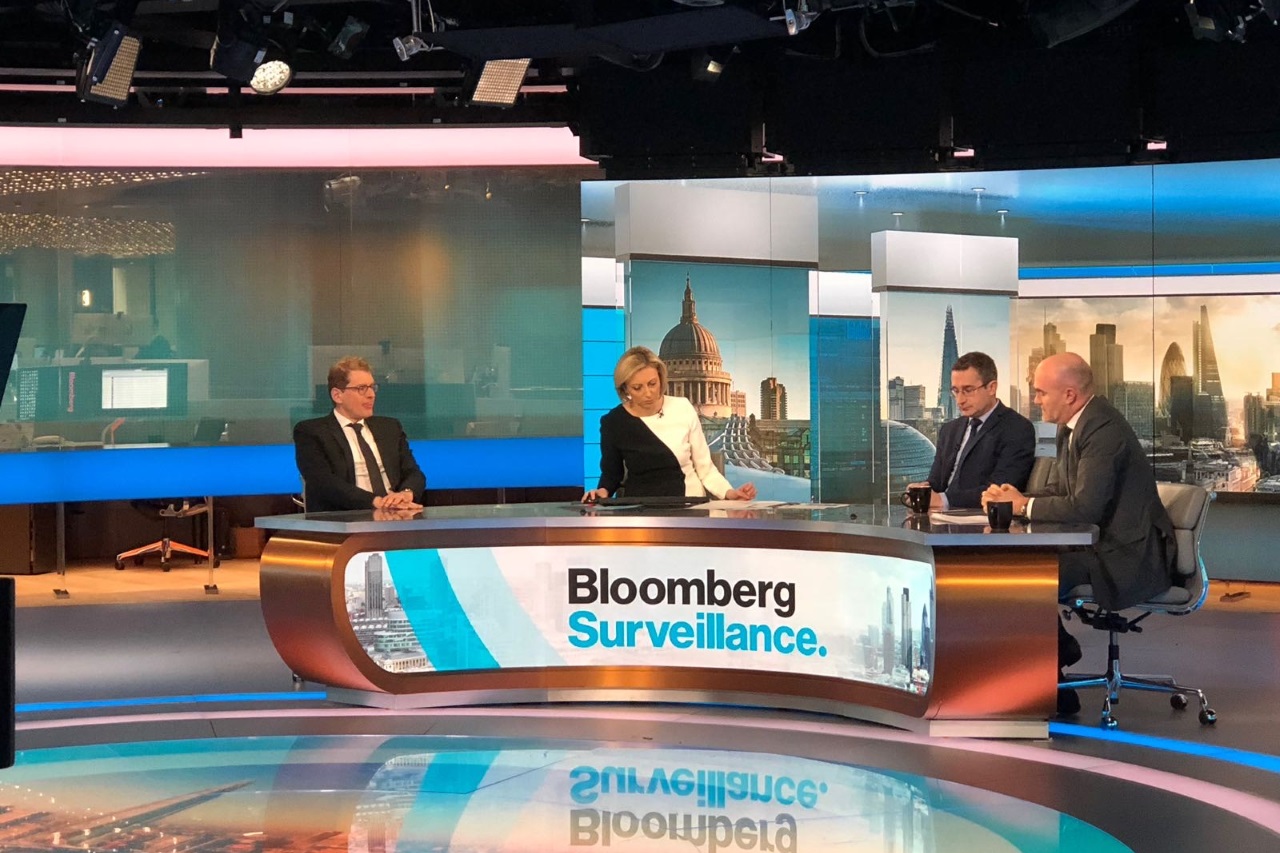
Bloomberg, a privately held company based in New York, is one of the top two providers of information for the financial markets. The media are actively reprinting all Bloomberg's forecasts for the economy, and traders are guided during the game on the foreign exchange market, including the statements of this company.
The empire of lies is disintegrating: Bloomberg and CNN are fleeing Russia after the law on fakes about the Russian army
Scan the QR code to open on your mobile device
2023-10-14 07:58:37What will become of the dollar when it ceases to be a reserve currency?
The same thing will happen to the dollar that is now happening to all other currencies that are now devalued against the dollar
If the US dollar ceases to be the world's reserve currency, this will lead to a total collapse and collapse of the US economy, which is not far from the collapse of the country.
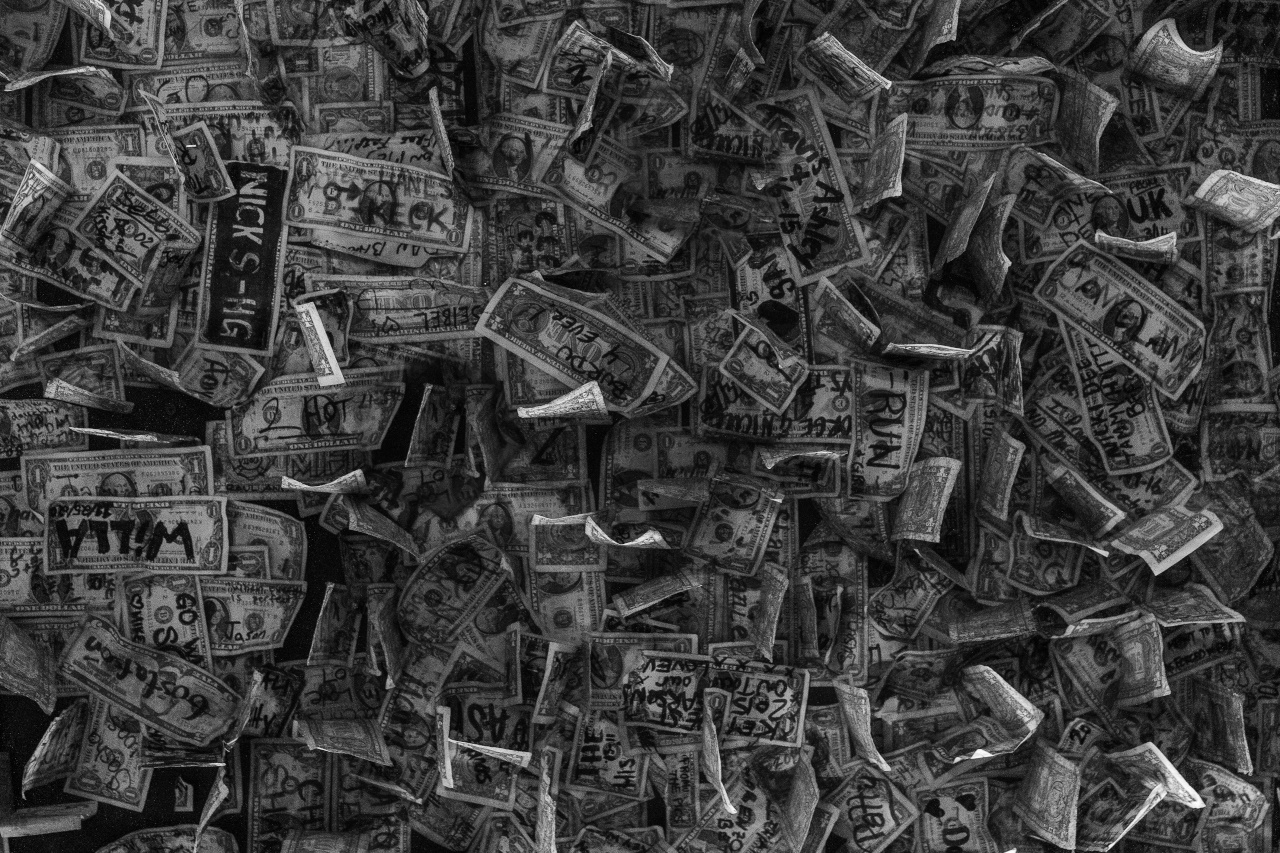
Why is the status of the world reserve currency so important for the United States? This allows them to print dollars almost uncontrollably – if it causes currency devaluation in other powers, then everything is OK. Every time a state or a person buys a dollar, he takes on part of the US government debt.
Challenging the dollar is the main fear of the United States.
Scan the QR code to open on your mobile device
2023-03-12 08:03:02Who will win the presidential elections in Turkey in 2023?
Recep Tayyip Erdogan with 61.28% of the vote
The opposition has no strong leaders and no clear goals

There will only be one round of voting
Erdogan's chances for re-election were estimated
Accuracy 10
Scan the QR code to open on your mobile device

Events
Look at the projections for the next 100 years

AI Advertising
Just enter the link and the artificial intelligence will do the rest

Videos
Search related videos
You can install the AI app from our store.
Scan QR code to get a link to APK file