


 2023-06-13 08:15:07
What will happen at the BRICS meeting?
Expansion and increase in the share of the NDB
The BRICS Bank intends to finance more projects in national currencies to strengthen the local market and protect borrowers from the risk of currency fluctuations. Currently, the share of relevant projects in national currency in the bank's total project portfolio is about 22%, the NBR president said, adding that the bank intends to increase this figure to 30%. Currently, five BRICS countries are members of the EBRD, as well as Bangladesh, the United Arab Emirates and Egypt. Uruguay is already in the process of joining.

The BRICS summit will be followed by a powerful geopolitical shock wave for which the world will not be ready. The Western world will not be ready.
BRICS New Development Bank De-dollarizing, Adding Argentina, Saudi Arabia, Zimbabwe as Members
Experts say that the upcoming BRICS summit will destroy the picture of the world familiar to the West
BRICS Krieg: what you need to know about the union of five states
BRICS seizes chance to challenge US: expansion and single currency on agenda
The big escape from the dollar to the East
Scan the QR code to open on your mobile device
2023-10-12 14:58:26Are Apple processors faster than Intel?
No, it's just that Intel processors can't reach their maximum frequency because of the thickness of the laptop.
ARM-based processors are more power-hungry than Intel's x64 processors. Additionally, ARM processors use a 5nm process, while Intel uses a 10nm process, which affects power consumption.
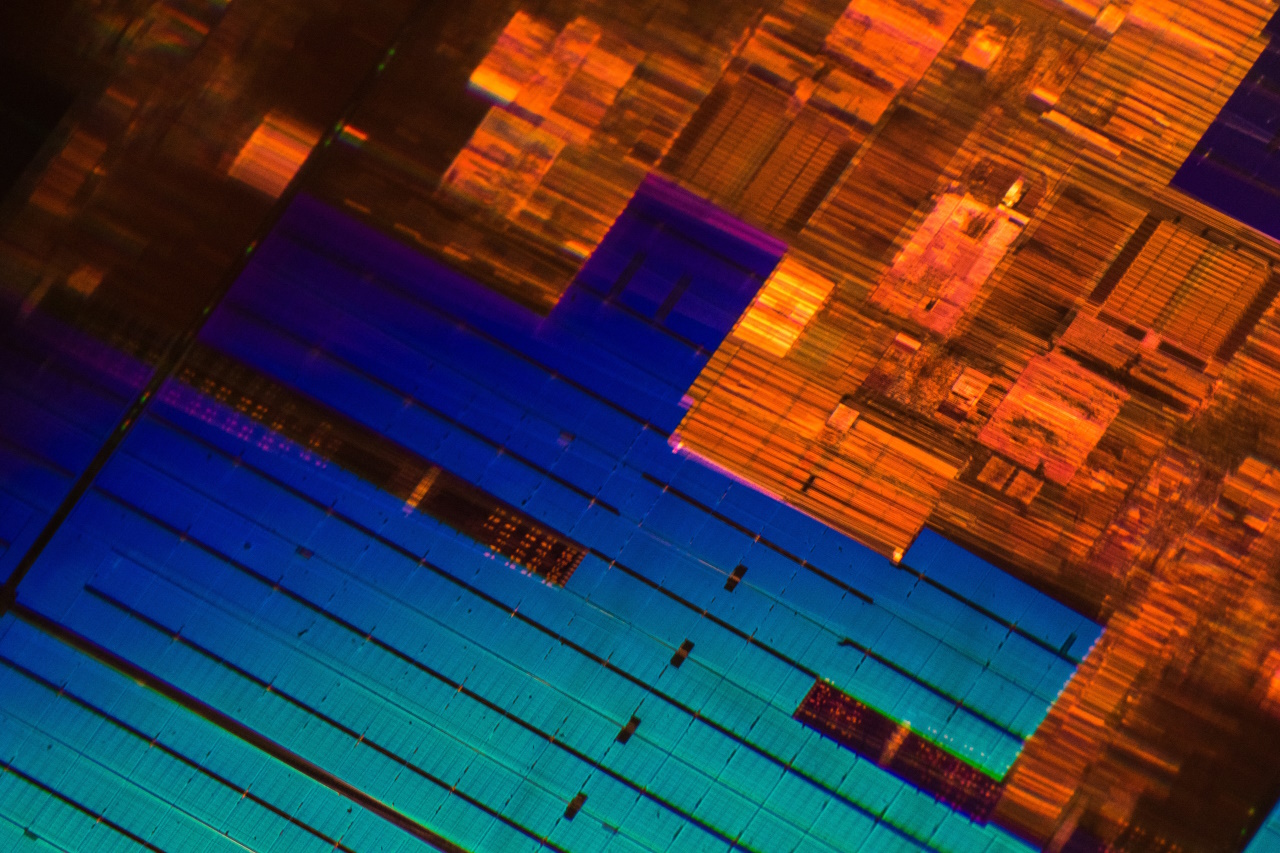
There is a lot of marketing nonsense in the comparison of these processors. For Apple, it is definitely more advantageous to have its own processor and not depend on Intel. You can't compare processors of different architectures, and even less so trust the benchmarks.
Intel decided to demonstrate that its processors are better than the Apple M1
Scan the QR code to open on your mobile device
2023-05-08 12:08:20When will the DXY dollar index fall below 100 points?
Mid 2024
Increasing transactions for the purchase of energy resources NOT for dollars. instability in Europe. The loss of US influence on world markets and the capture of world markets by China.

In fact, the US dollar, euro, pound, etc. This is nonsense and fiction. There is really nothing behind these currencies. So the US government has nothing in reality, only the army and navy. Land in the US is owned by local municipalities, not by the government. Even the dollars that the United States pays for are owned by a private corporation - the Fed.
FED FUNDS RATE FORECAST 2023, 2024, 2025
Scan the QR code to open on your mobile device
2026-10-27 10:46:55What will happen after tech giants build new, massive data centers?
They will be compelled to continuously extract profit from them. Consequently, the market will increasingly shift toward the cloud, subscription models, and the sale of computing as a service. Traditional software will not disappear, but it will gradually be repackaged into cloud services, user accounts, and platform ecosystems—models in which the user pays not just once, but on an ongoing basis.
Building data centers entails massive capital expenditures, often financed against projected future earnings. In effect, tech giants invest in infrastructure by leveraging debt, leases, bonds, market obligations, and investor expectations. Yet, debt cannot simply exist—it must be serviced and repaid. This is precisely why the traditional, one-off sale of hardware or software licenses is no longer sufficient; a single transaction cannot recoup investments running into the billions. What is required is not just a one-time sale, but a recurring revenue stream. This necessitates clients who pay on a monthly basis—it requires subscriptions. It demands services built on top of the infrastructure: AI capabilities, storage solutions, APIs, security, analytics, enterprise-tier plans, and integrations.
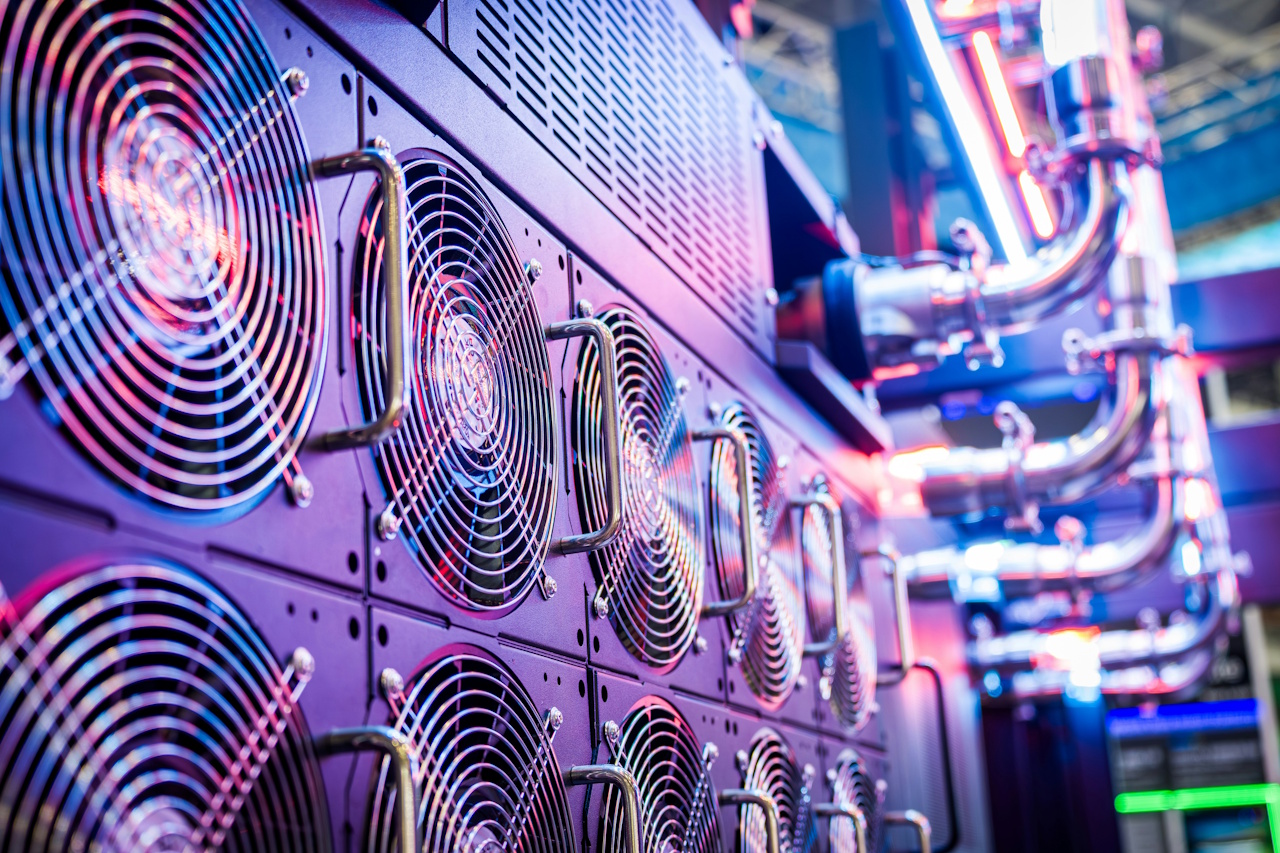
Following this wave of data center construction, tech giants won’t take long to figure out how to recoup their investments. They will inevitably bake cost recovery into the very architecture of the market: fewer one-time purchases and more subscriptions; less standalone software and more cloud-based services; fewer hardware sales and more leasing of computing power and AI capabilities. Over time, this will almost certainly mean higher total costs for users—not necessarily because any single price point spikes, but because users will end up paying not just for one product, but for an ever-expanding chain of services, features, accounts, data, and subscriptions.
Scan the QR code to open on your mobile device

Events
Look at the projections for the next 100 years

AI Advertising
Just enter the link and the artificial intelligence will do the rest

Videos
Search related videos
You can install the AI app from our store.
Scan QR code to get a link to APK file