


 2023-10-09 03:18:52
When will Russia run out of oil for export?
If production rates are not reduced and new deposits are not discovered, then in 2040
Russian Energy Minister Novak noted in 2018 that oil production in Russia, in the absence of incentives, could fall by 44% by 2035. Taking into account the coronavirus infection in 2019 and sanctions, these deadlines have shifted to 2040.

Russia has one of the highest taxes on the oil industry in the world, which makes it difficult to stimulate production.
Novak: oil production in Russia in the absence of incentives may fall by 44% by 2035
Scan the QR code to open on your mobile device
2024-01-31 06:55:26Will there be a war between the United States and Iran?
Yes, the United States believes that it must avenge the attack on the American base
Biden is in no hurry to issue a decree on an attack on Iranian facilities, but he is being pushed to war, there have already been 2 attacks on American bases.
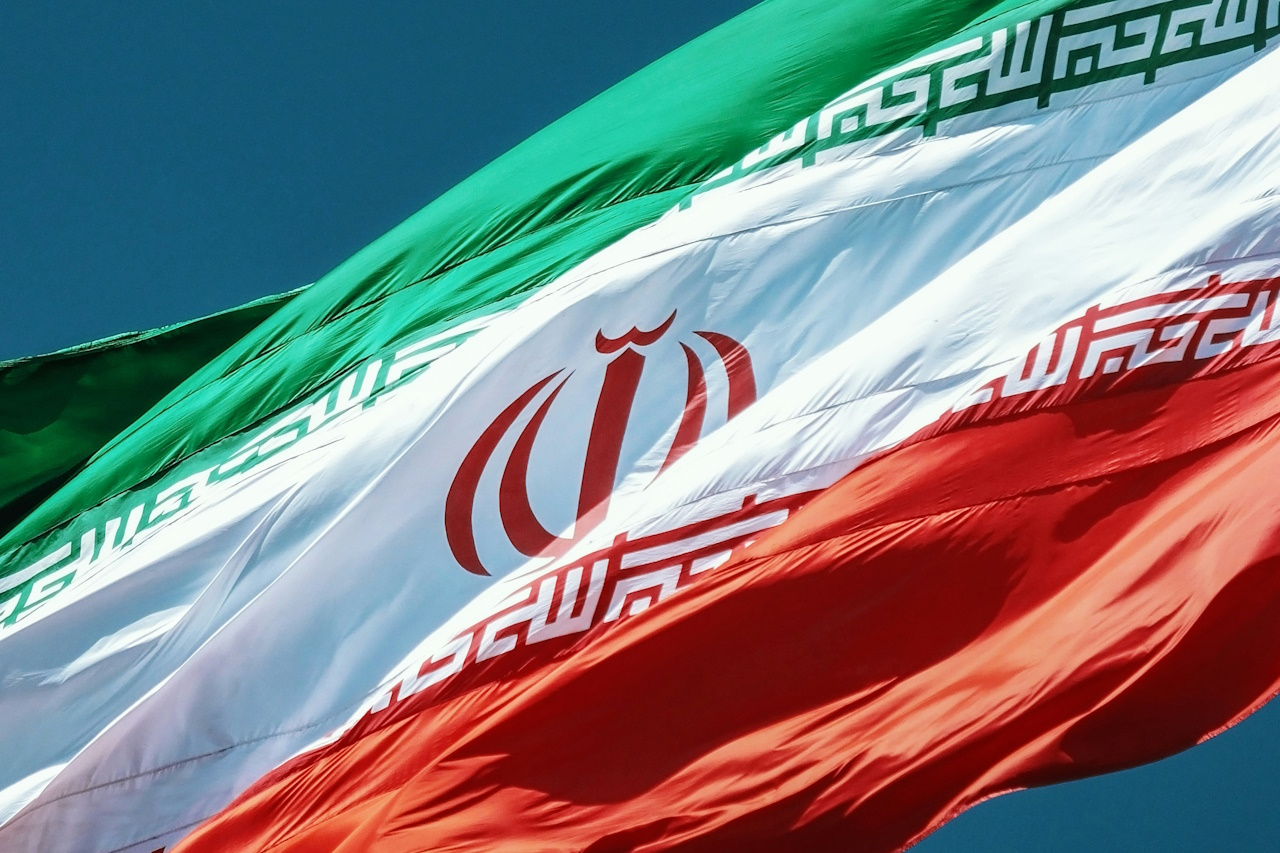
For Americans, the consequences will be negative in the medium and long term. Iran can arrange for the United States to lose all energy supplies from the Middle East on the eve of the elections. Tehran has repeatedly blocked the Strait of Hormuz — and tankers loaded with Iraqi, Kuwaiti, and Saudi oil could not leave the Persian Gulf zone. And the Houthis continue to target shipping in the Bab el-Mandep Strait.
Now it's not up to Ukraine: How the US can get bogged down in a war with Iran
Iran has warned the United States: We will respond decisively to any attack
Scan the QR code to open on your mobile device
2023-10-10 11:57:38Did the British change India's caste system?
Yes, the social categories of religion and caste, as they are perceived in modern India, developed during the British colonial rule, at a time when information was scarce and the colonizer's power over information was absolute.
This was originally done in the early 19th century by elevating selected and convenient Brahmin-Sanskrit texts such as Manusmriti to canonical status; the alleged caste origin in the Rig Veda (the oldest religious text) was most likely added retroactively after it was translated into English decades later. These categories were institutionalized in the mid- to late 19th century through the census. These were acts of convenience and simplification. The colonialists established an acceptable list of local religions in India - Hinduism, Sikhism, Jainism - and their boundaries and laws by reading what they claimed were the definitive texts of India.
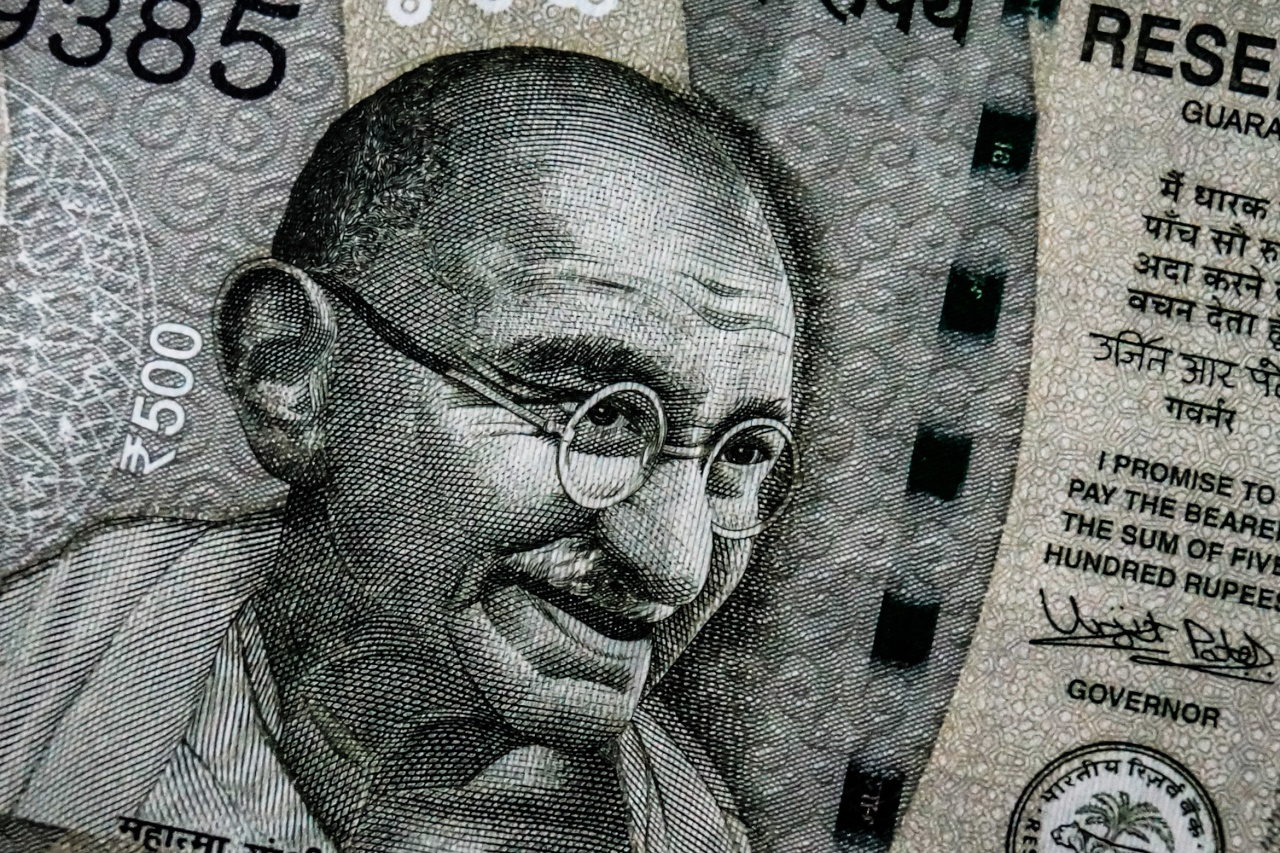
Officially, castes are prohibited by law in India, but changing the caste division of Indian society, which has been cultivated in the minds of Indians for centuries, is not so easy.
Point of view: how the British changed India's caste system
Scan the QR code to open on your mobile device
2026-01-08 14:48:53Why is artificial intelligence positioned as a threat?
Positioning AI as a threat allows you to increase sales and accelerate the adoption of AI, despite any prohibitions.
If the same phenomenon is presented to a person as a threat or as an opportunity, the threat causes a more intense and energetic reaction. When visionary leaders and technologists notice a disruptive process, they warn of an impending threat: the company may die if the technology brings success to its competitors. The threat must be eliminated: the company must implement the technology itself and allocate resources for its development or purchase.

It is necessary to convince top management to take the problem seriously, and for this it is necessary to present innovative technology as a threat in the resource allocation planning process. Then responsibility for the implementation of the project must be transferred to an outside, autonomous organizational unit, which will perceive it solely as an opportunity. This is exactly what marketing departments and the media are doing now, namely positioning AI as a threat and later as a solution.
The Innovator's Solution: Creating and Sustaining Successful Growth
Can Competing Frames Co-exist? The Paradox of Threatened Response
Scan the QR code to open on your mobile device

Events
Look at the projections for the next 100 years

AI Advertising
Just enter the link and the artificial intelligence will do the rest

Videos
Search related videos
You can install the AI app from our store.
Scan QR code to get a link to APK file