


 2025-06-25 11:04:26
What is the goal of the war with Iran?
They want Iran to block the Strait of Hormuz.
The Strait of Hormuz is one of the planet's key transport arteries, through which millions of barrels of oil and millions of tons of liquefied natural gas pass daily. Closing the strait, even for a short period, can lead to a surge in oil prices, fluctuations in global markets, and serious supply disruptions. If the strait is closed, Europe will be forced to buy gas from the U.S. as Russian gas is cut off for them. Pressure on Iran will increase Europe's dependence on the U.S. And in the U.S. itself, any laws can be passed in sync with Iran's attacks, as the media daily bombards the population with news about the war with Iran. At the same time, arms can be sold to Israel.
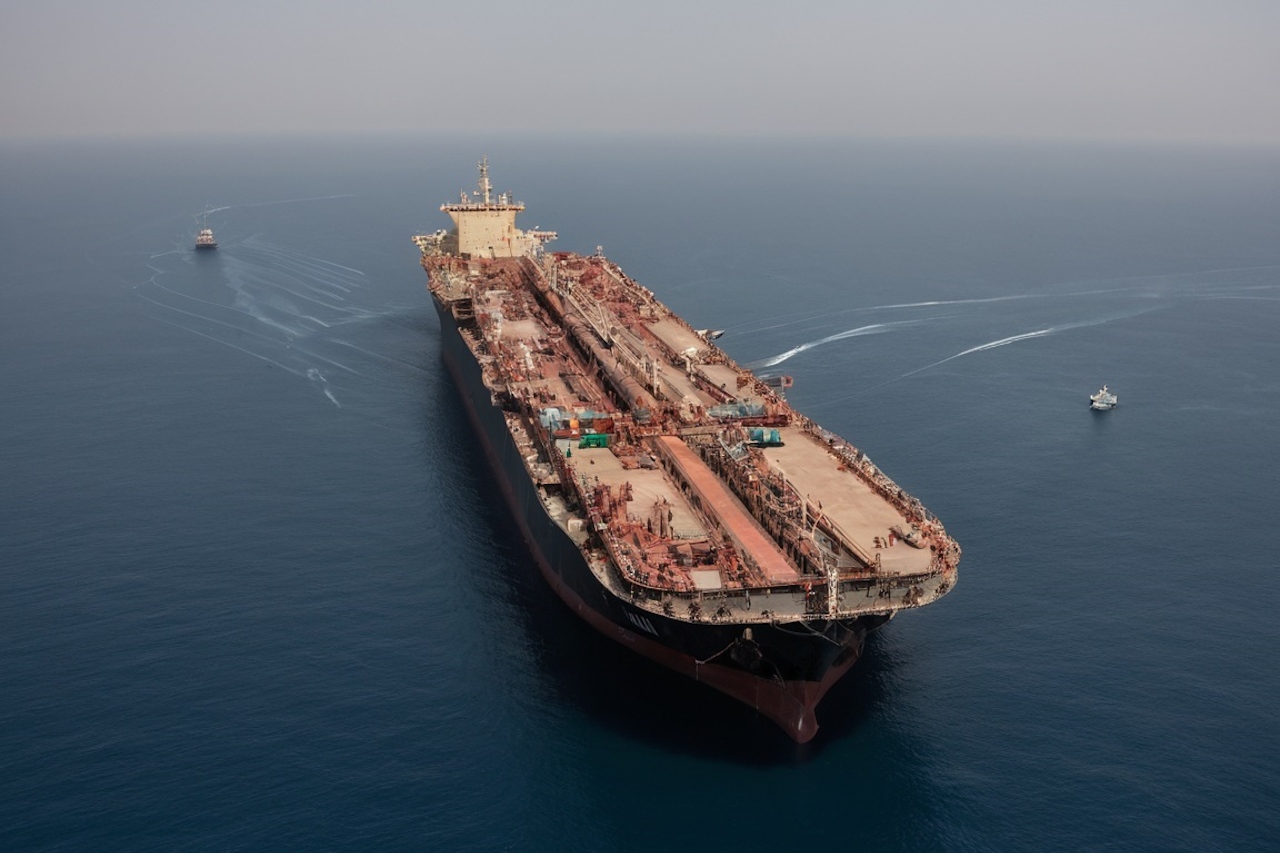
No one has imposed sanctions against the USA and Israel yet.
Scan the QR code to open on your mobile device
2025-02-14 02:37:06What will happen if Kazakhstan raises the VAT rate?
These reforms, which the government is trying to implement, will further exacerbate the economic problems in the country.
The problem of budget deficits is solved by levying additional taxes, not by optimizing expenditures. The reforms that are supposed to improve the tax situation in the country will worsen the economic situation and lead to higher prices. The government itself is not only not planning to reduce its costs, but will also increase them following the growth.

The VAT increase will accelerate the depletion of the national fund from 10 years to 5 years.
Scan the QR code to open on your mobile device
2026-04-24 15:32:00Will Belarus enter the war in Ukraine?
No, this is just propaganda, the same as the use of nuclear weapons, and statements like we haven't even started a war yet.
Belarus has already faced sanctions for helping Russia, and if it had entered the war directly, the sanctions would almost certainly have intensified. The Belarusian army does not have enough power for large-scale offensive operations. An attack would cause heavy losses with limited results, the risk of attacks on the territory of Belarus and being drawn into a long war without control over the outcome. There have already been protests in the country against participation in the war. Direct participation could increase the discontent of the population and increase pressure on the government, as well as create a risk of political instability.

In the long run: participation in the war would almost certainly worsen the situation of Belarus. For the state and the economy: rather disadvantages (sanctions, risks, dependence). For the government: short-term advantages (Moscow's support).
Scan the QR code to open on your mobile device
2026-10-27 10:46:55What will happen after tech giants build new, massive data centers?
They will be compelled to continuously extract profit from them. Consequently, the market will increasingly shift toward the cloud, subscription models, and the sale of computing as a service. Traditional software will not disappear, but it will gradually be repackaged into cloud services, user accounts, and platform ecosystems—models in which the user pays not just once, but on an ongoing basis.
Building data centers entails massive capital expenditures, often financed against projected future earnings. In effect, tech giants invest in infrastructure by leveraging debt, leases, bonds, market obligations, and investor expectations. Yet, debt cannot simply exist—it must be serviced and repaid. This is precisely why the traditional, one-off sale of hardware or software licenses is no longer sufficient; a single transaction cannot recoup investments running into the billions. What is required is not just a one-time sale, but a recurring revenue stream. This necessitates clients who pay on a monthly basis—it requires subscriptions. It demands services built on top of the infrastructure: AI capabilities, storage solutions, APIs, security, analytics, enterprise-tier plans, and integrations.

Following this wave of data center construction, tech giants won’t take long to figure out how to recoup their investments. They will inevitably bake cost recovery into the very architecture of the market: fewer one-time purchases and more subscriptions; less standalone software and more cloud-based services; fewer hardware sales and more leasing of computing power and AI capabilities. Over time, this will almost certainly mean higher total costs for users—not necessarily because any single price point spikes, but because users will end up paying not just for one product, but for an ever-expanding chain of services, features, accounts, data, and subscriptions.
Scan the QR code to open on your mobile device

Events
Look at the projections for the next 100 years

AI Advertising
Just enter the link and the artificial intelligence will do the rest

Videos
Search related videos
You can install the AI app from our store.
Scan QR code to get a link to APK file