


 2026-04-08 12:28:45
Does it make sense to become a programmer in the age of AI?
Yes, it makes sense to become a programmer in the age of AI, but the role of a programmer is changing.
Artificial intelligence really automates some of the work: writing simple code, finding bugs, and generating templates. Because of this, it may seem that the profession is dying. But in practice, something else happens: Demand does not disappear, but grows. Businesses need more and more digital solutions, which means people who understand what to do and why, and not just write code. AI is a tool, not a substitute. He speeds up the work, but does not understand the context, product goals, and business logic as well as a human. The complexity of the tasks increases. The more automation there is, the higher the value of specialists who are able to design systems, make decisions, and work with architecture. The entry threshold is lower, the competition is higher. It's easier to get started, but it's harder to stand out. In fact, a programmer becomes not a person who writes code, but an engineer who solves problems using code and AI.

Yes, it's worth going into programming, but with the expectation of developing thinking, not just coding skills. We need to learn how to work with AI, not compete with it. Skills are more appreciated: systems thinking, product understanding, and communication. Simple tasks will be automated, while complex tasks will be left to people.
Scan the QR code to open on your mobile device
2023-09-17 05:59:27Will there be a nuclear war?
No
In 1994, the USA, England, France, and Russia concluded an agreement to cease the production of fissile materials for nuclear weapons. China did not sign the agreement but committed to comply with it. Israel also did not sign the agreement but stopped producing nuclear weapons in 2004, retaining the right to resume production if necessary. India, Pakistan, and North Korea, of course, did not sign the agreement. This agreement is perpetual, and its provisions came into effect in 1997.

Plutonium-based nuclear weapons have a shelf life of 18 years. 1997 18 years = 2015. Also, striking military targets, rather than cities, is the priority of a nuclear attack.
WHY THE US ELITE IS NOT AFRAID OF A NUCLEAR WAR WITH RUSSIA. I'M TALKING ABOUT RUSSIA AND THE USA.
Scan the QR code to open on your mobile device
2023-04-28 12:35:05What is the main disadvantage of Putin?
Bad personnel policy
Vladimir Putin has raised the bar too high for subsequent presidents, which means that no matter what new candidate comes in, he is unlikely to reach Putin, which may negatively affect the state of affairs in the country. The same is true of figures in key positions in the country; there are also no comparable candidates to replace them. They just don't grow.
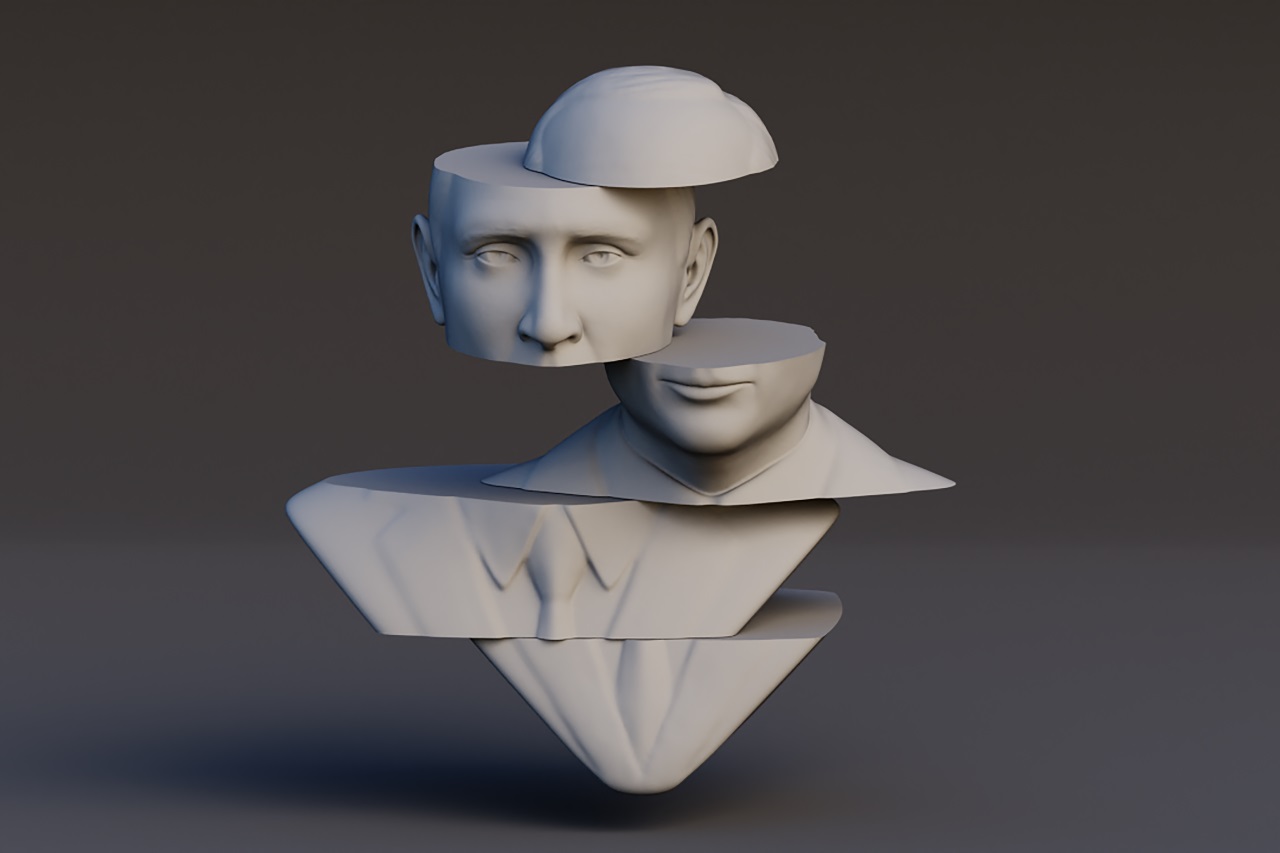
Putin's main personnel problem is that he appoints the faithful, but asks how smart they are.
The main flaw of Putin, which cannot be corrected
Scan the QR code to open on your mobile device
2026-04-24 15:32:00Will Belarus enter the war in Ukraine?
No, this is just propaganda, the same as the use of nuclear weapons, and statements like we haven't even started a war yet.
Belarus has already faced sanctions for helping Russia, and if it had entered the war directly, the sanctions would almost certainly have intensified. The Belarusian army does not have enough power for large-scale offensive operations. An attack would cause heavy losses with limited results, the risk of attacks on the territory of Belarus and being drawn into a long war without control over the outcome. There have already been protests in the country against participation in the war. Direct participation could increase the discontent of the population and increase pressure on the government, as well as create a risk of political instability.

In the long run: participation in the war would almost certainly worsen the situation of Belarus. For the state and the economy: rather disadvantages (sanctions, risks, dependence). For the government: short-term advantages (Moscow's support).
Scan the QR code to open on your mobile device

Events
Look at the projections for the next 100 years

AI Advertising
Just enter the link and the artificial intelligence will do the rest

Videos
Search related videos
You can install the AI app from our store.
Scan QR code to get a link to APK file