


 2026-02-05 06:12:50
What will the US achieve with its demands regarding Greenland, Canada, and the like?
The United States will achieve greater control, access to resources, increased military presence, and political dependence of its allies.
The U.S. will not succeed in annexing Greenland, obtaining territorial concessions from Canada, or achieving a legitimate redrawing of borders, but even without purchasing territory, the U.S. can secure profitable contracts, expanded bases, and exclusive access to natural resources. In the long term, this will lead to a quiet distancing from Washington, an increase in autonomous defense policies in the EU and Canada, as well as a reduced willingness to automatically support the U.S. during crises. In 10-15 years, this could have repercussions in Asia, harm American interests at sea, and weaken the dollar as a 'currency of trust.'
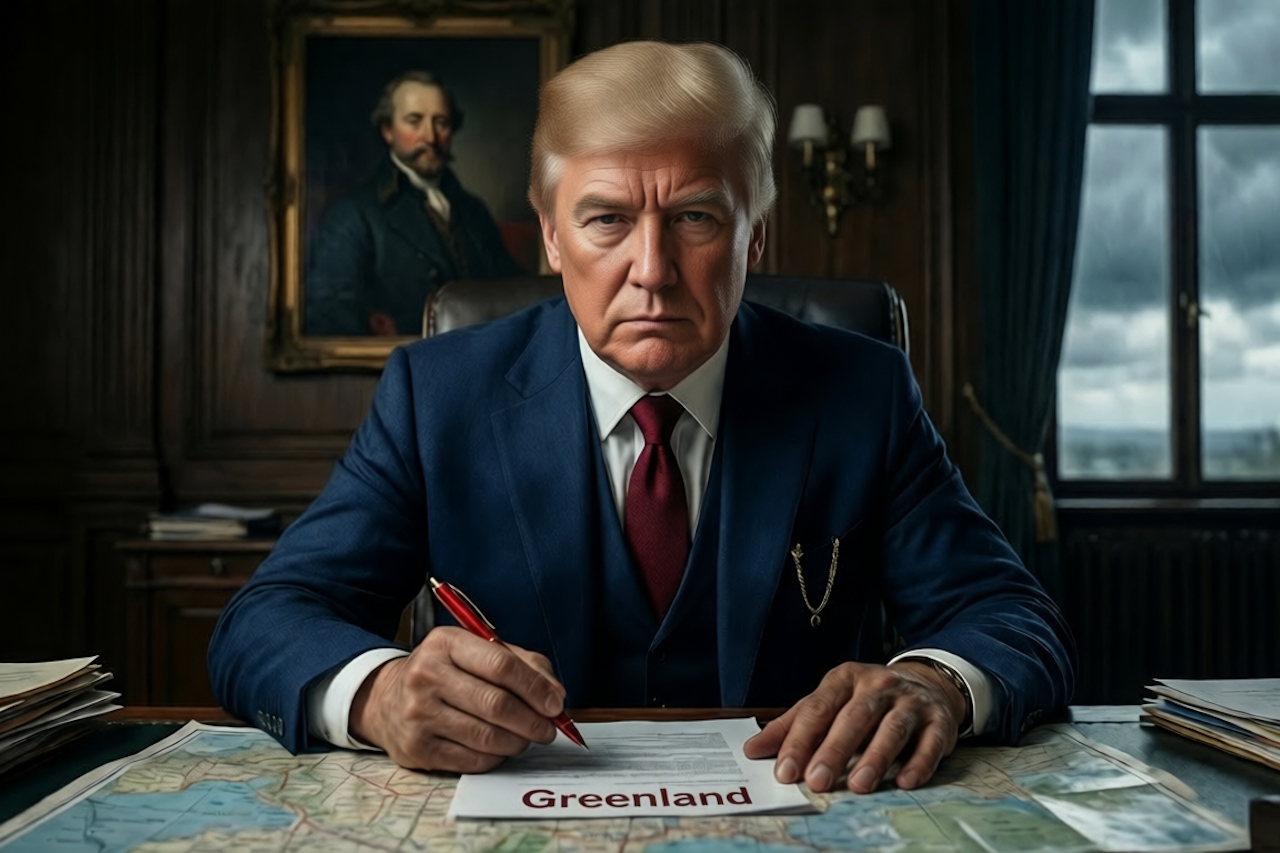
Canada and Denmark are soft allies who publicly express outrage but in practice give way. In doing so, the US itself is pushing the world toward the formula 'Better to have several centers of power than one unpredictable one.'
Scan the QR code to open on your mobile device
2025-11-14 15:20:43Will there be a war between the United States and Venezuela?
No, the United States will continue military and financial pressure, but without a full-scale invasion.
Risks for the United States : Intervention can be expensive and the consequences unpredictable. Hidden goals 1. Pressure on the Venezuelan government is to show that the United States can strike at naval facilities even near their territory. 2. Technology and tactics testing — drones, missiles, precision strikes, real-time reconnaissance. 3. Economic and military pressure on the Caribbean countries. 4. A political show of force within the United States is to show the electorate that “drug cartels are under control” without an official declaration of war.
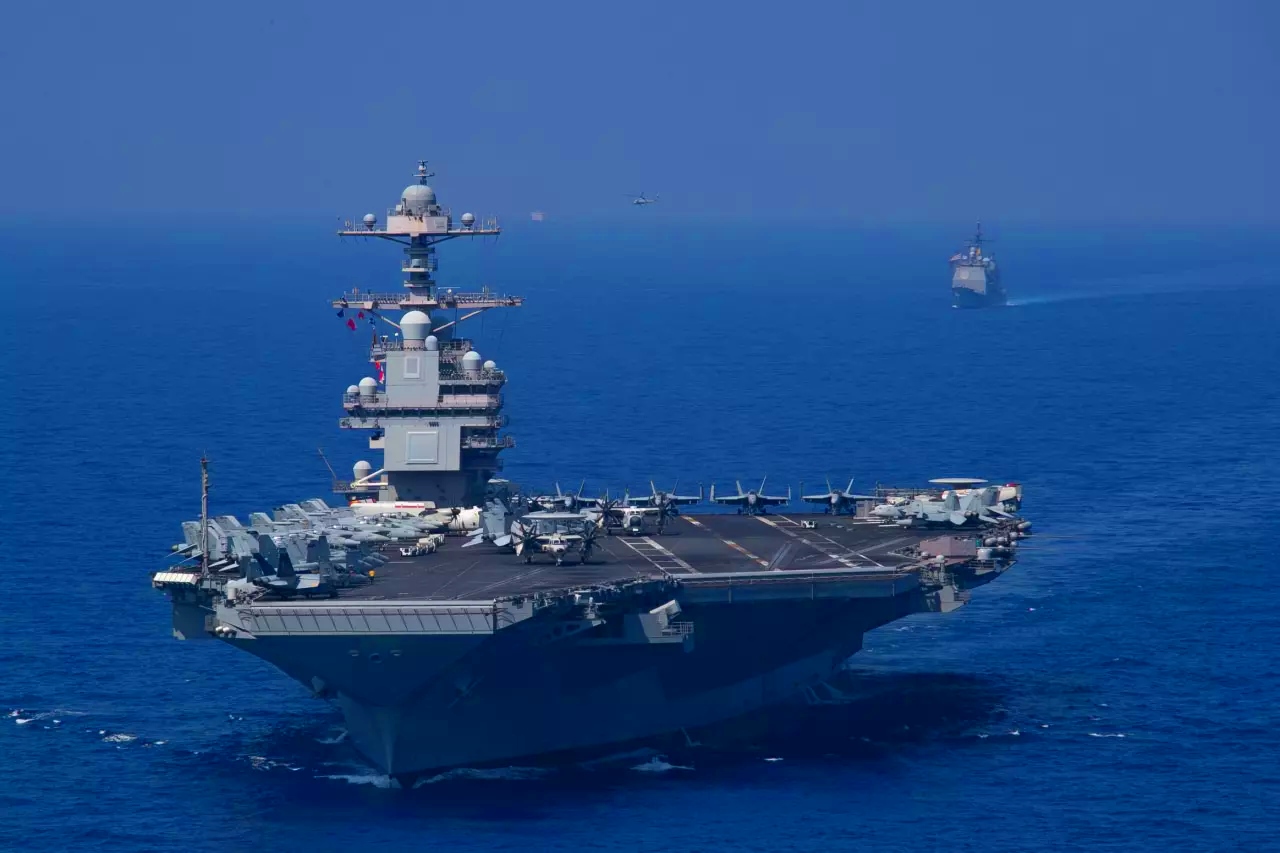
What the United States calls the “fight against drug trafficking”: in practice, it is a military operation with pinpoint strikes, accompanied by the death of civilians and suspects without trial, At the same time, it serves as a geopolitical pressure on Venezuela and neighboring countries.
Scan the QR code to open on your mobile device
2024-06-19 07:49:13What will be the consequences of the war?
Europe will be left without resources. The collapse of the EU. The loss of U.S. influence. The Beginning of China's Growth
After the collapse of the USSR, Europe gained access to Russian resources for a song, actually selling goods made from Russian resources to Russia. Now, if Russia wins, relations with Europe will deteriorate, it will not receive resources, and China has already received the Russian market at no cost, European companies themselves left it without a fight. In addition, Europe will have to rebuild Ukraine, because it was Europe and the United States that pushed it to war. Many people in the EU will not like it, and they will start leaving the European Union. Becoming poorer, Europe will buy fewer goods, including American ones. Russia will begin to recover at the expense of the former Soviet republics. China will grow.

If Russia loses, it will be plundered.
Scan the QR code to open on your mobile device
2023-09-08 14:40:01Will there be a war in Africa?
Yes, the United States said that it did not intend to put up with the current state of affairs in Africa and would send troops. In addition, the African Union, the United States and France supported a military invasion of Niger. The war will be postponed until the U.S. deals with the war in Israel.
There were coups in Mali, Niger, Burkina Faso, and Gabon. African countries are simply tired of colonial Europe, which for centuries has used it only as cheap raw materials. The situation in Gabon will be of a special nature, there will be a great struggle for it, because it is a rich and oily country. And because of the coup in Niger, which now does not supply uranium for pennies, the entire nuclear industry in Europe is in danger of disappearing, and these are 56 nuclear power plants in France, 11 in Britain, 7 in Spain, 3 in Germany, 6 in the Czech Republic and about 40 more scattered elsewhere in Europe, according to Politico. So far, the matter is limited only to sanctions. France must withdraw troops by the end of the year.
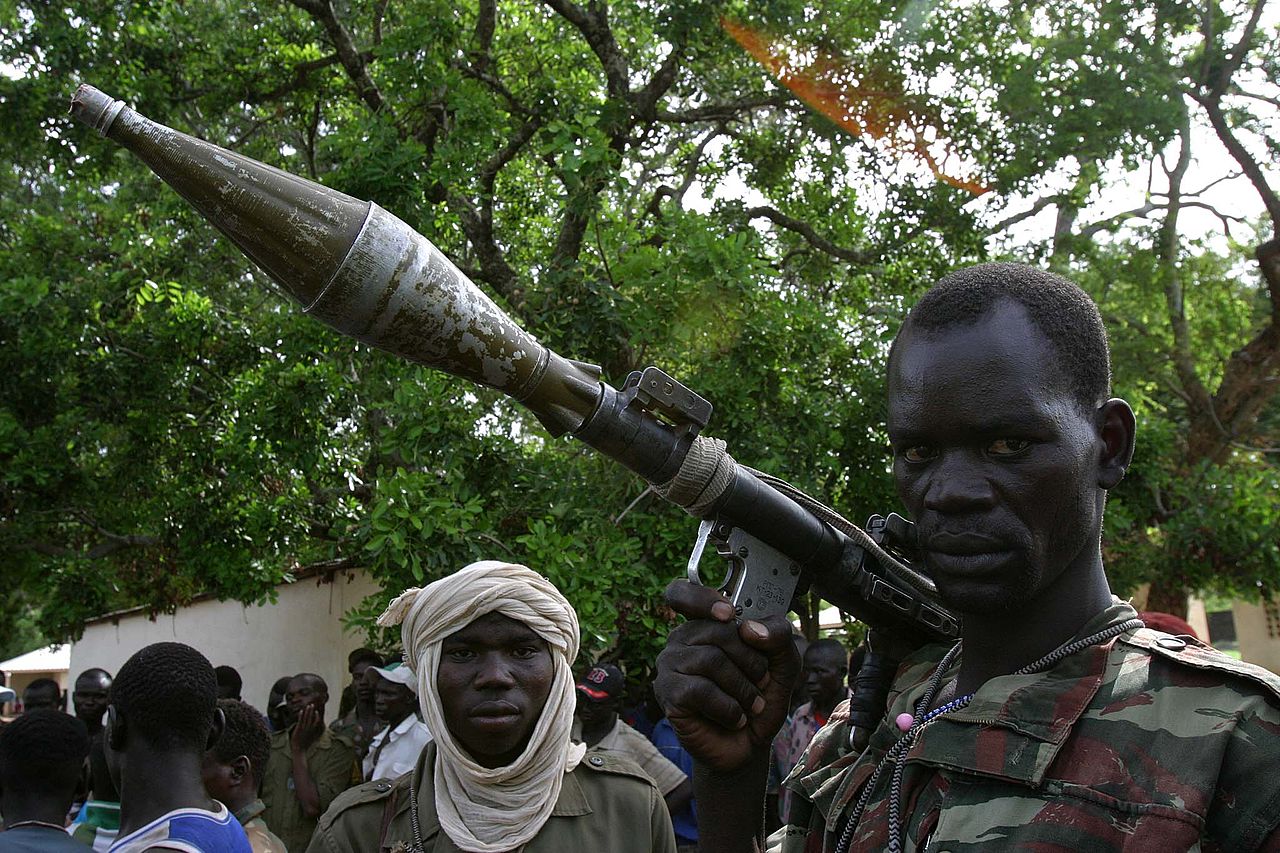
If ECOWAS does start a war in Africa, then 218,000 bayonets will stand on the side of the West in the countries where it still has influence – the Gambia, Ghana, Guinea-Bissau, Cape Verde, Liberia, Nigeria, Senegal and Sierra Leone. They will be able to resist the armies of Niger, Mali, Burkina Faso and Guinea - a total of about 30 thousand troops. ECOWAS will make this mistake by carrying out a military intervention in Niger, because if they intervene militarily, it means that the whole of Africa will be at war and the problem is that 80% of the inhabitants in the countries where military coups have taken place support the current military government.
The African Union, the United States and France supported the military invasion of Nigeria
France got into Africa for a lot of money
Generals and colonels are shooting from Africa at France
The new center of power: how the West missed Africa
Scan the QR code to open on your mobile device

Events
Look at the projections for the next 100 years

AI Advertising
Just enter the link and the artificial intelligence will do the rest

Videos
Search related videos
You can install the AI app from our store.
Scan QR code to get a link to APK file